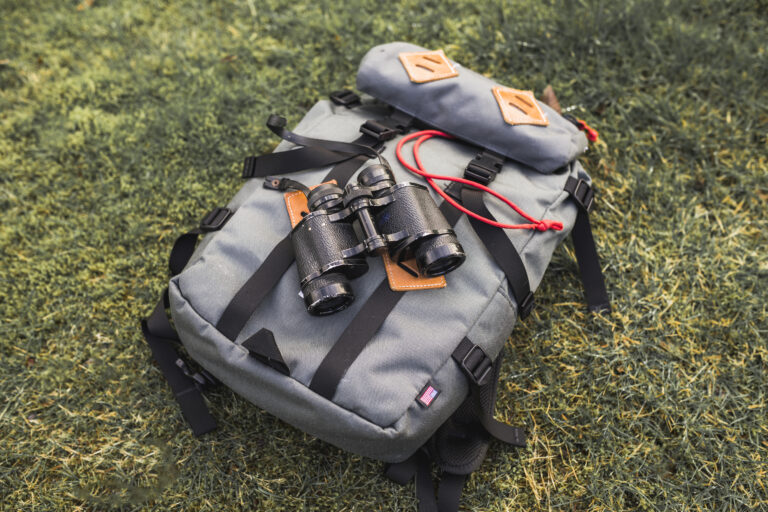
Camping has always been about disconnecting from the hustle of everyday life, but in today’s world, most of us still rely on our phones, GPS devices, cameras, and other gadgets. Whether it’s checking a trail map, capturing breathtaking landscapes, or staying in touch with loved ones, power is a necessity. That’s where portable solar chargers come in. In 2025, solar technology has advanced significantly. Portable chargers are now lighter, more efficient, and more powerful than ever before. For campers, hikers, and outdoor enthusiasts, these devices are no longer just optional — they’re essential. In this guide, we’ll walk you through how solar chargers work, what features to look for, and our top 10 best portable solar chargers for camping in 2025.
How Portable Solar Chargers Work
Portable solar chargers are designed to give campers, hikers, and outdoor enthusiasts a reliable power source when access to outlets is impossible. The technology may seem complex at first, but the basic principle is simple — capturing energy from the sun and converting it into usable electricity for your devices.
The Science Behind Solar Power
At the heart of every solar charger are photovoltaic (PV) cells, which are usually made from silicon. These cells absorb sunlight and create an electrical current through a process known as the photovoltaic effect. Here’s how it works step by step:
- Sunlight hits the panel – The photons from sunlight strike the PV cells.
- Electrons get excited – The energy from these photons knocks electrons loose inside the silicon material.
- Electric current is generated – The movement of electrons creates direct current (DC) electricity.
- Energy is transferred – Built-in circuitry regulates this power and sends it to your device through USB ports or stores it in a battery for later use.
What makes modern solar chargers more efficient in 2025 is the use of multi-layer solar cells and improved coatings, which capture more sunlight even in partial shade or on cloudy days.
Types of Solar Chargers: Panel vs. Battery-Powered
Portable solar chargers generally fall into two categories, each with its own benefits depending on your camping style:
1. Panel-Only Solar Chargers
- How they work: These are foldable, lightweight panels that connect directly to your devices.
- Best use case: Daytime charging when sunlight is strong.
- Pros: Lightweight, compact, affordable, and ideal for backpackers.
- Cons: Don’t store energy, so they’re useless at night or on cloudy days without a backup power bank.
2. Battery-Integrated Solar Chargers
- How they work: These chargers combine solar panels with a built-in power bank (measured in mAh or Wh).
- Best use case: Multi-day trips where nighttime charging is essential.
- Pros: Stores energy for later, convenient, and often includes multiple ports.
- Cons: Heavier and more expensive than panel-only options.
👉 Quick Tip: Many campers choose to carry both — a lightweight panel for daytime charging and a battery pack for nighttime power.
Key Features to Look for in a Portable Solar Charger
Not all solar chargers are created equal. Before buying one for your next camping trip, consider these key features:
Power Output and Charging Speed
The wattage rating of a solar panel directly affects how fast it can charge your devices.
- 10–20W panels: Suitable for smartphones, cameras, and GPS units.
- 30–60W panels: Can handle tablets, drones, or multiple phones at once.
- 100W+ panels: Best for laptops, portable fridges, or powering a small campsite.
⚡ Pro Tip: Look for chargers with smart charging technology that automatically adjusts output for faster and safer charging.
Battery Capacity and Storage
If your solar charger has a built-in power bank, its storage capacity will determine how much energy you can save for later use.
- 5,000–10,000 mAh: Charges a phone 1–3 times.
- 20,000–30,000 mAh: Suitable for multiple devices or tablets.
- 50,000+ mAh: Can support laptops or long-term trips without frequent sunlight.
Having this backup ensures you’re not left powerless when the sun goes down.
Portability, Size, and Weight
For campers and hikers, every ounce matters. A bulky solar charger can be inconvenient, especially on long treks.
- Lightweight models (under 2 lbs): Great for backpacking and hiking.
- Medium weight (2–5 lbs): Balance between portability and power.
- Heavy-duty models (5 lbs and above): Designed for car camping or base camps.
Foldable designs that fit easily into backpacks are the most popular among outdoor travelers.
Durability and Weather Resistance
Camping often means facing unpredictable weather — from rain showers to dusty trails. A good solar charger should be able to withstand the elements.
- Water resistance: Look for an IP65 or IP67 rating.
- Shock resistance: Reinforced fabric or casing helps protect against drops.
- Dustproofing: Ensures long-term reliability in sandy or desert environments.
Durability is especially crucial for survivalists and adventure travellers.
Compatibility with Devices
A solar charger is only as useful as the devices it can power. Modern models usually feature a mix of ports, including:
- USB-A: Standard port for older phones and accessories.
- USB-C (PD): Fast charging for newer smartphones, tablets, and laptops.
- DC Outputs: Essential for laptops, drones, or camping appliances.
- 12V Outputs: Useful for charging car batteries or larger camping gear.
Some advanced models even support wireless charging for compatible smartphones.
10 Best Portable Solar Chargers for Camping in 2025
The market is full of portable solar chargers, but not all are created equal. Some are optimized for lightweight backpacking, while others are better for heavy-duty car camping setups. Below, we break down the 10 best portable solar chargers in 2025, highlighting their strengths, weaknesses, and ideal use cases.
1. Anker PowerPort Solar 24W
The Anker PowerPort Solar 24W remains one of the most trusted choices for campers due to its balance of efficiency, portability, and affordability. It uses advanced SunPower panels with a conversion efficiency of up to 23%, ensuring reliable charging even in less-than-ideal sunlight.
- Pros: Lightweight (just 1.1 lbs), dual USB ports, highly efficient.
- Cons: No built-in battery storage, only useful during daylight hours.
- Best For: Backpackers and hikers who need a compact and portable charging solution.
2. Goal Zero Nomad 20 Solar Panel
| Image | Product | Features | Price |
|
1
 |
Goal Zero Nomad |
HIGH EFFICIENCY PANEL, LIGHTWEIGHT |
$99.00
|
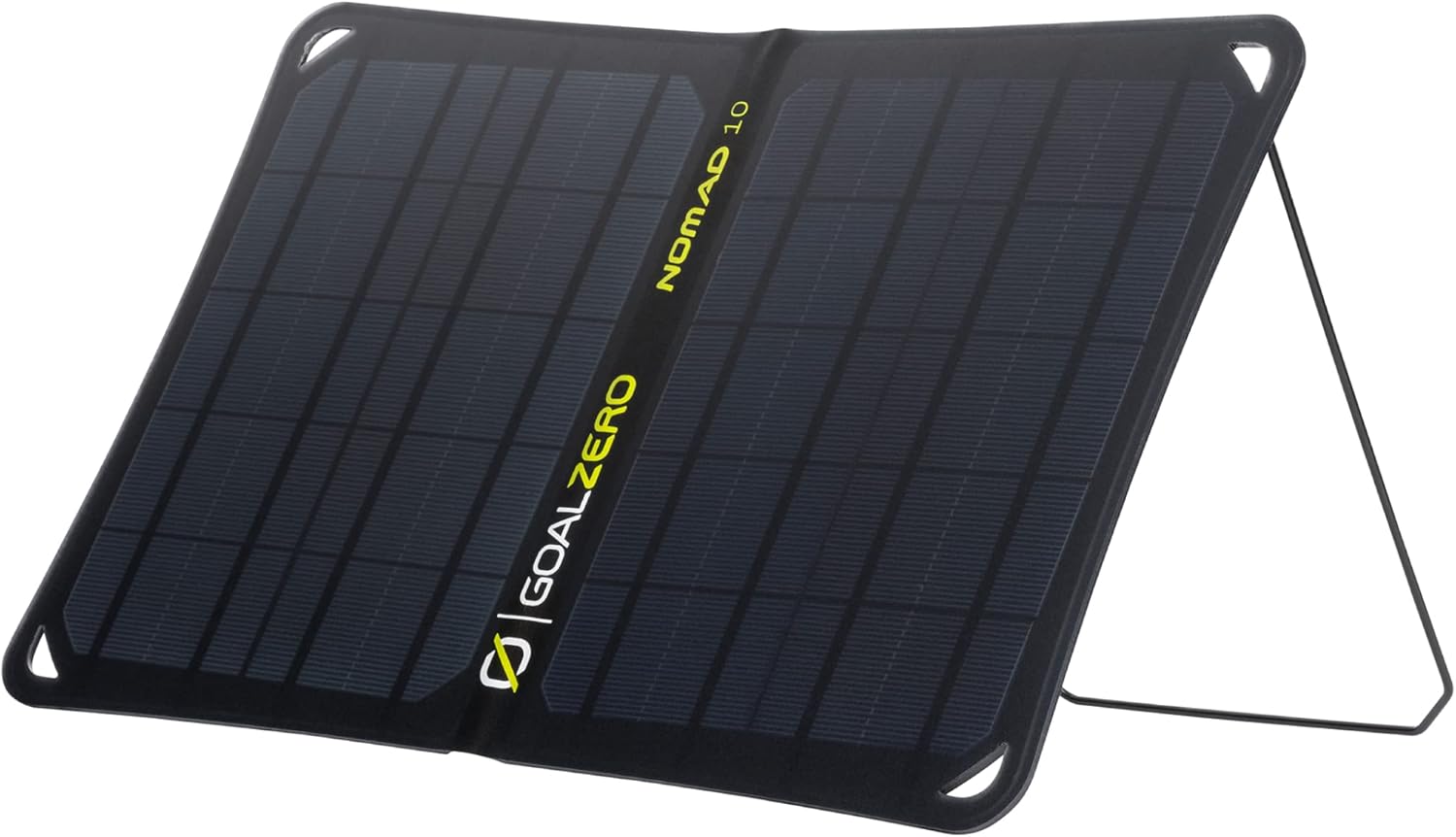
Goal Zero is a household name in off-grid power solutions, and the Nomad 20 is one of their most portable offerings. Designed with rugged campers in mind, it works seamlessly with Goal Zero’s Sherpa and Yeti power banks.
- Pros: Durable, foldable design; excellent compatibility with Goal Zero products.
- Cons: Limited to small devices; slightly heavier at 2 lbs compared to similar panels.
- Best For: Campers who already use Goal Zero gear and need a compact panel for phones and headlamps.
3. BigBlue 28W Solar Charger
| Image | Product | Features | Price |
|
1
 |
BigBlue 28W |
USB-C and USB-A, Higher Energy Conversion, Portable and Folding Solar Panel Charger, Smart IC Technology, Waterproof Solar Panels |
$72.00
|
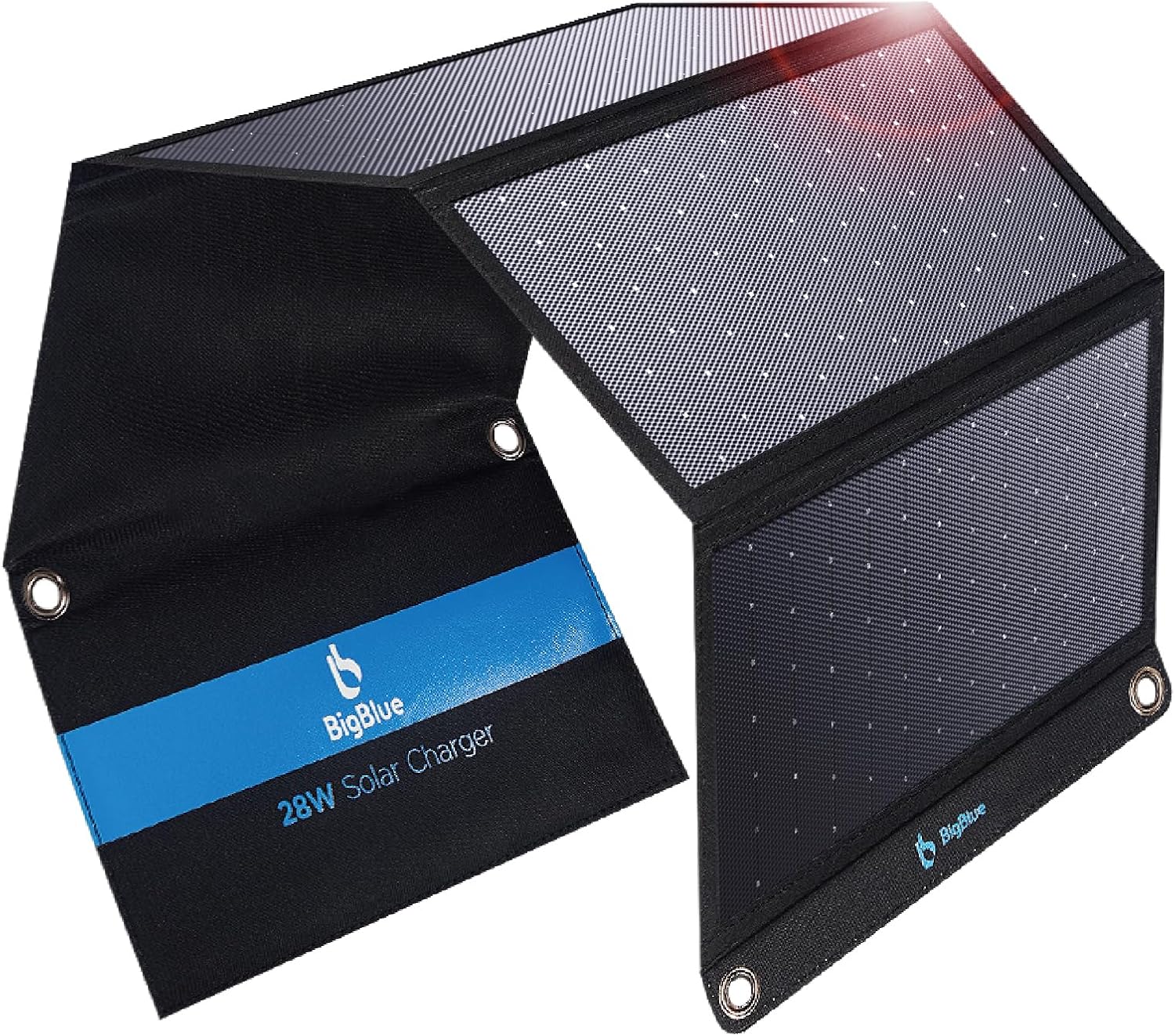
Known for its durability, the BigBlue 28W offers three USB ports, allowing you to charge multiple devices simultaneously. It’s waterproof, dustproof, and equipped with a smart IC chip that optimizes charging for different devices.
- Pros: Waterproof, multiple ports, great balance of size and power.
- Cons: No built-in battery; can be bulky when unfolded.
- Best For: Small groups who need to charge multiple phones or gadgets at once.
4. BioLite SolarPanel 10+
| Image | Product | Features | Price |
|
1
 |
BioLite SolarPanel |
PSolarPanel 10+ Get 10 watt output to power tablets, phones and other gear |
$109
|
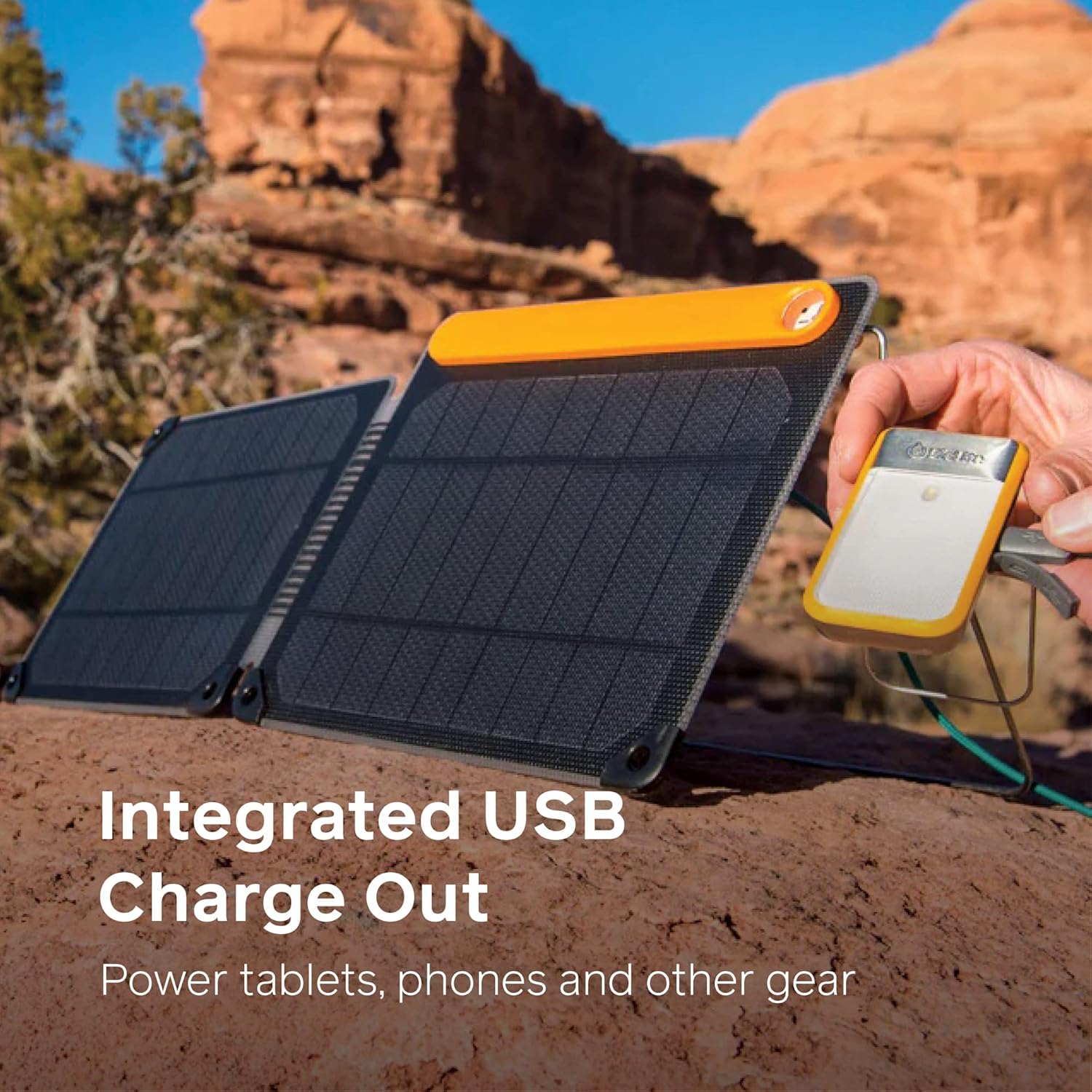
The BioLite SolarPanel 10+ is designed for efficiency and convenience. Its built-in 3,200 mAh battery allows energy storage, and a unique sundial plus kickstand ensures the panel is always positioned at the best angle for maximum sunlight.
- Pros: Integrated battery, slim design, easy to use.
- Cons: Only 10W output; not suitable for larger devices.
- Best For: Day hikers who need a lightweight charger with energy storage for phones or headlamps.
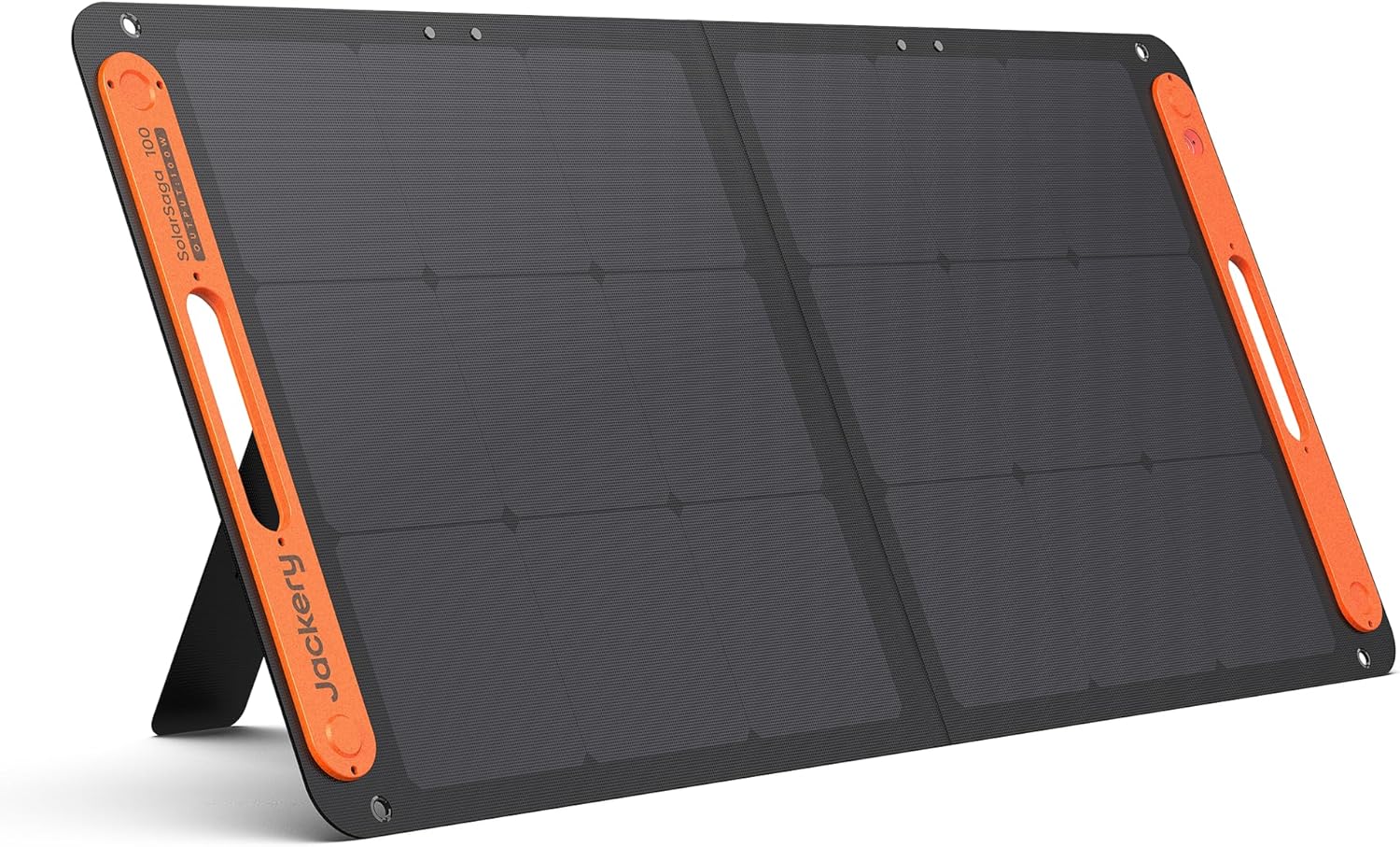
5. Jackery SolarSaga 100W
| Image | Product | Features | Price |
|
1
 |
Jackery SolarSaga |
The Jackery SolarSaga 100 W Bifacial Solar Panel, now features solar energy generated, via both sides of the panel |
$199.00
|
The Jackery SolarSaga 100W is a powerhouse built for car camping and extended trips. It’s designed to work with Jackery Explorer power stations, making it perfect for powering larger devices like laptops, mini-fridges, or even small appliances.
- Pros: High wattage, pairs with Jackery stations, excellent build quality.
- Cons: Heavy (9 lbs), not suitable for backpacking.
- Best For: Car campers, RV travelers, and base campers who need maximum power.
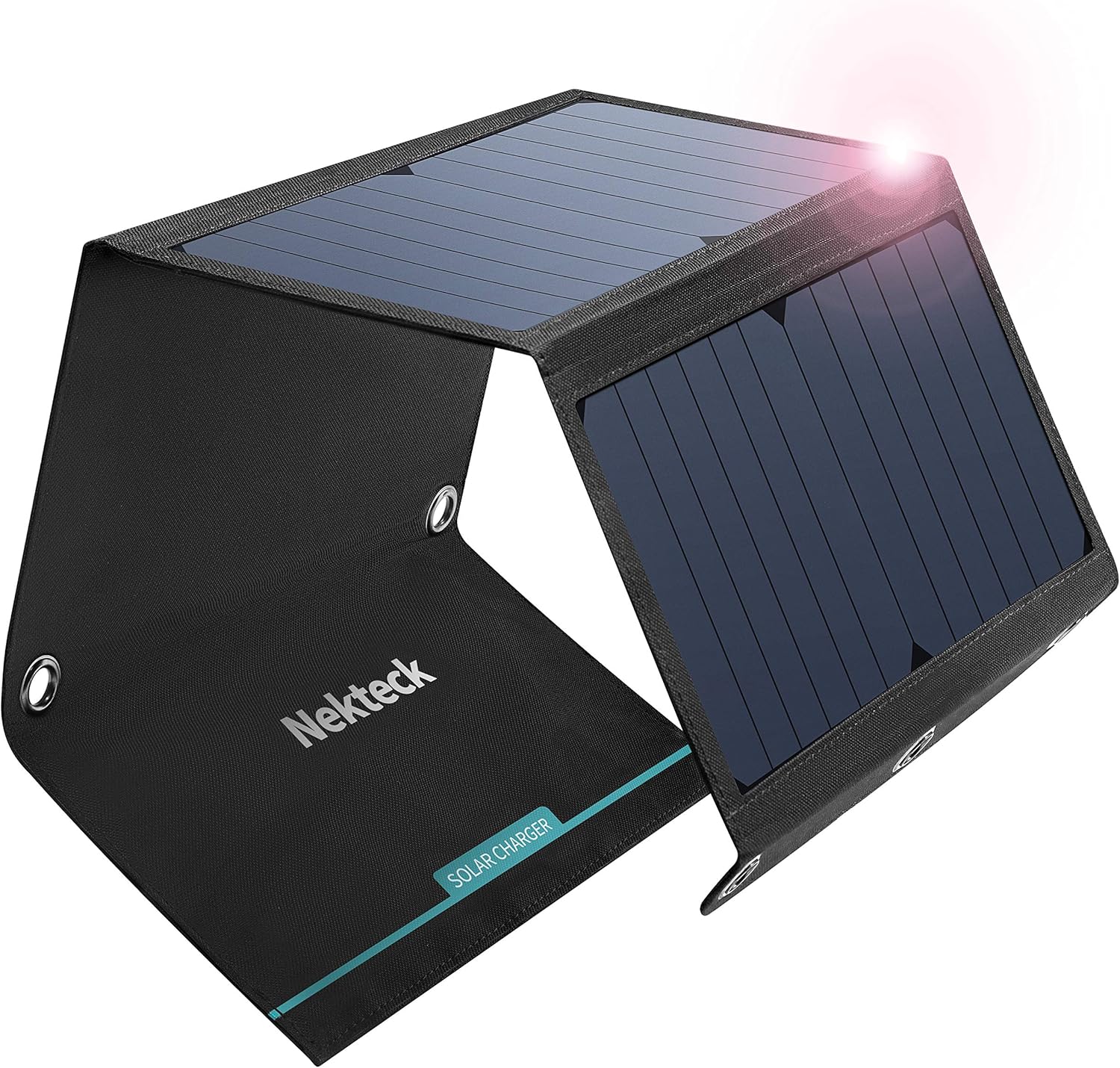
6. Nekteck 21W Solar Charger
| Image | Product | Features | Price |
|
1
 |
Nekteck 21W Solar Charger |
Nekteck 21W Portable Solar Charger, 2.6ft(80cm)Micro USB Cable, User Manual |
The Nekteck 21W is an affordable, no-frills option for budget-conscious campers. Despite its low price, it delivers reliable performance with dual USB ports and compact foldable panels.
- Pros: Affordable, lightweight (1 lb), efficient for phones and tablets.
- Cons: No battery storage, limited to smaller devices.
- Best For: Solo backpackers and casual campers on a budget.
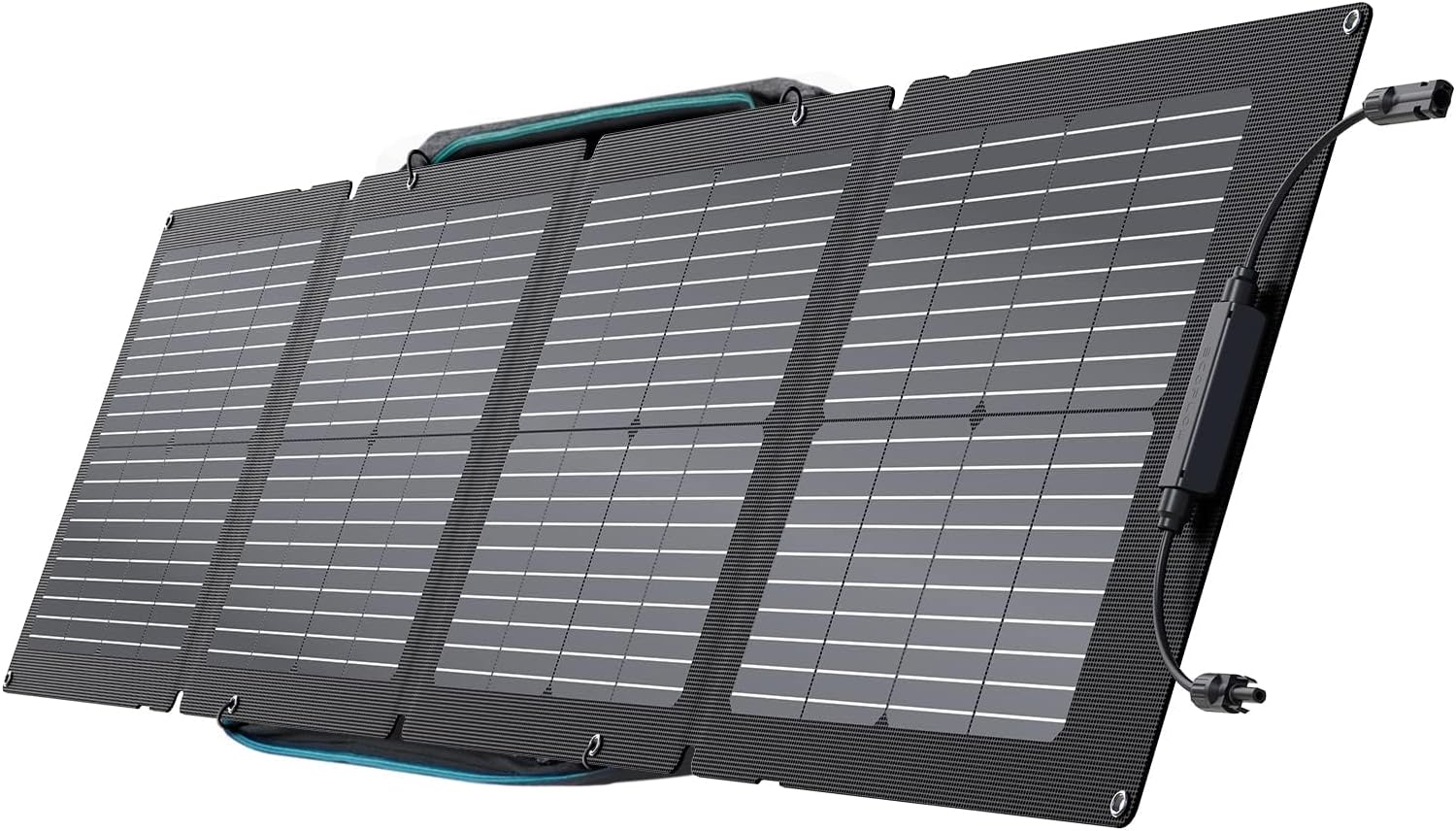
7. EcoFlow 110W Portable Solar Panel
| Image | Product | Features | Price |
|
1
 |
EcoFlow 110W |
EF ECOFLOW 110W Portable Solar Panel, Foldable with Carry Case, High 23% Efficiency, IP68 Water & Dustproof Design for Camping |
$169.00
|
EcoFlow is known for high-performance power solutions, and the 110W portable solar panel is no exception. With a waterproof build and seamless compatibility with EcoFlow power stations, it’s ideal for campers who need serious energy on the go.
- Pros: High wattage, waterproof, efficient charging.
- Cons: Heavy (13 lbs), best suited for stationary use.
- Best For: Large setups, group camping, or powering EcoFlow Delta stations.
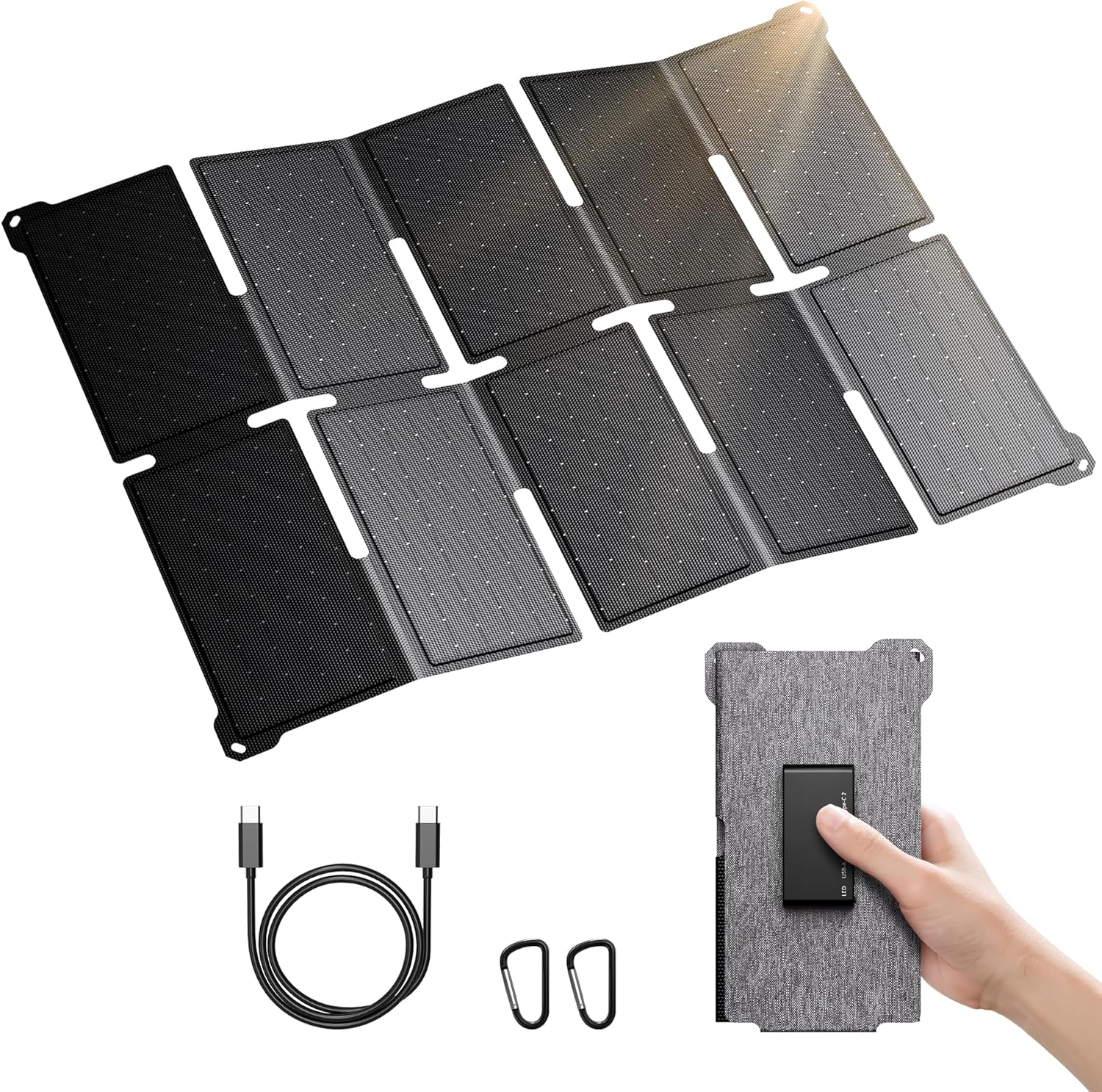
8. RAVPower 24W Solar Charger
| Image | Product | Features | Price |
|
1
 |
RAVPower 24W |
USB-A supports QC 18W, while Type-C1 delivers PD 25W with PPS (Programmable Power Supply) for faster, cooler, and safer charging |
$63.00
|
The RAVPower 24W charger is compact but versatile, featuring triple USB ports. It uses iSmart technology to adjust charging speeds for different devices, making it a great choice for multi-device users.
- Pros: Smart charging technology, weather-resistant, strong build.
- Cons: No battery storage; not powerful enough for laptops.
- Best For: Campers who need a balance between portability and multi-device charging.
9. ALLPOWERS 60W Foldable Solar Panel
| Image | Product | Features | Price |
|
1
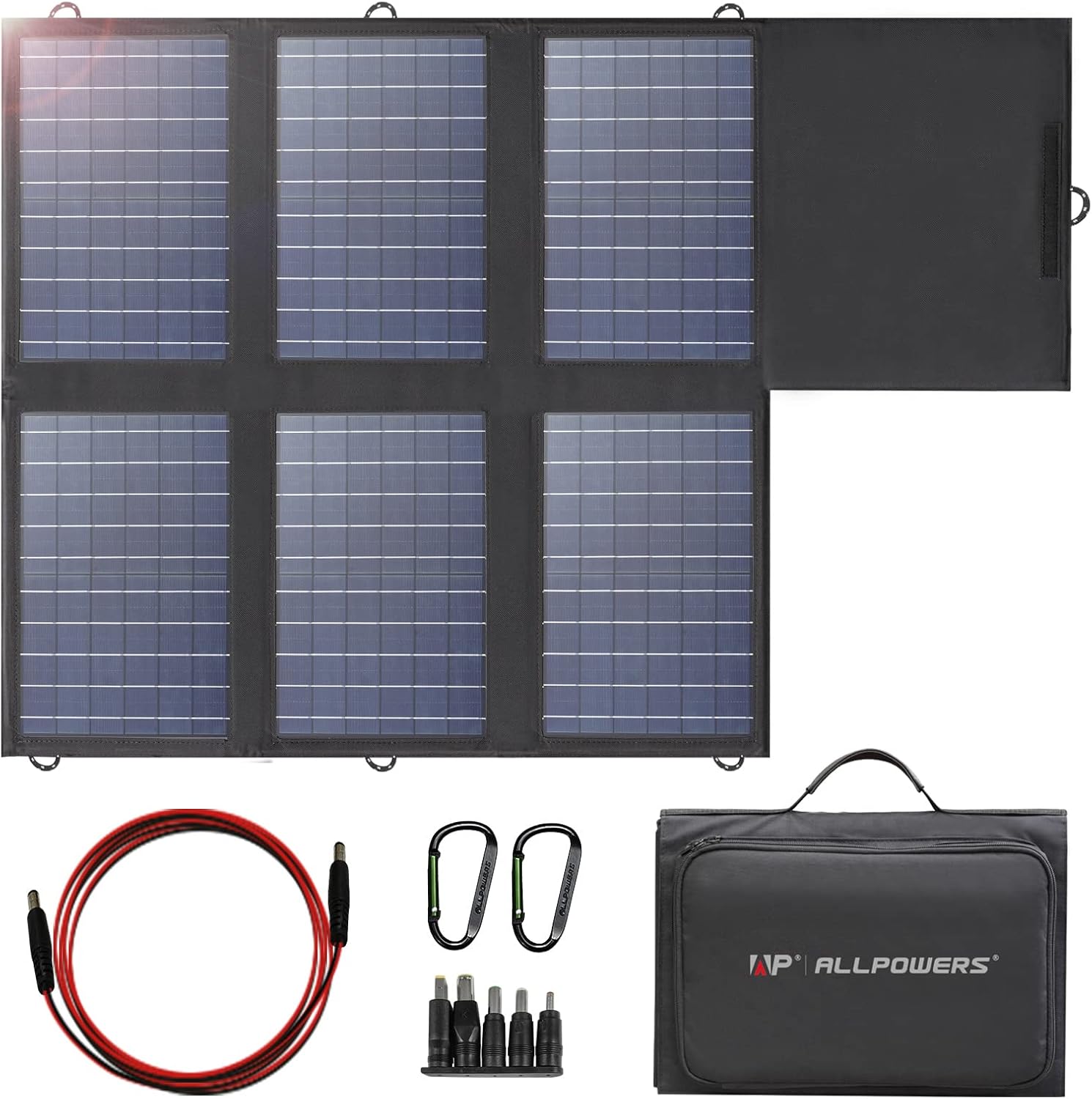 |
ALLPOWERS 60W |
Extremely portable at only 2.4kg (5.29lbs) and folding to a compact 38×25.5x7cm. |
$65.00
|
The ALLPOWERS 60W is a strong mid-range option that supports both USB and DC outputs, meaning it can charge everything from smartphones to laptops. Its lightweight, foldable design makes it practical for extended trips.
- Pros: Versatile outputs, laptop-compatible, strong folding design.
- Cons: Larger footprint when unfolded; requires direct sunlight for best performance.
- Best For: Digital nomads, campers with laptops, or those working remotely outdoors.
10. Renogy E.FLEX 50W Portable Charger
| Image | Product | Features | Price |
|
1
 |
Renogy E.FLEX 50W |
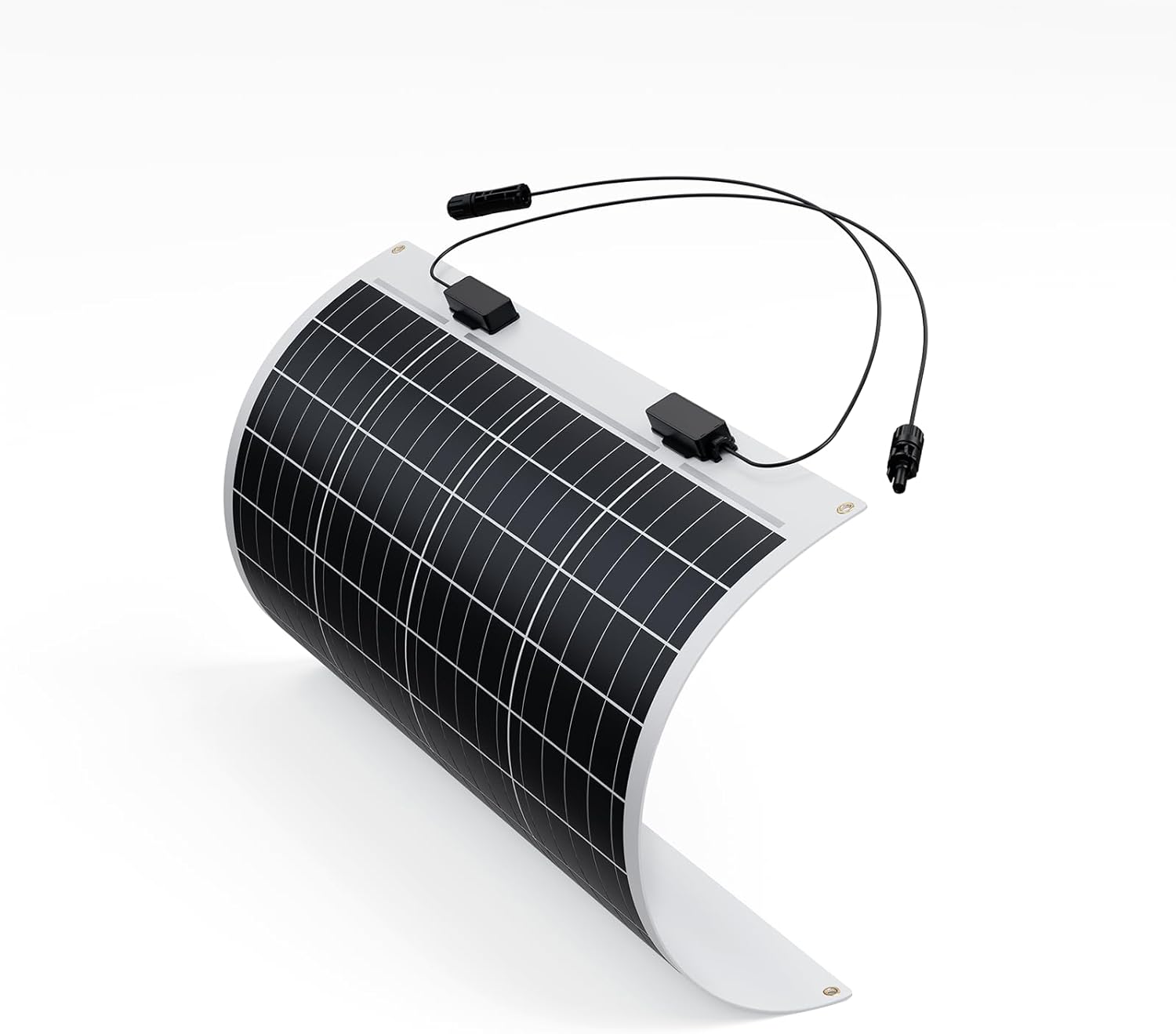
Hardly noticeable, the 50 watt solar panel laid flat is only a tenth of an inch tall. |
$69.00
|
Renogy is known for high-quality solar equipment, and the E.FLEX 50W is a rugged, outdoor-ready charger. Its excellent performance in cloudy conditions makes it stand out among competitors.
- Pros: Works well in low light, durable design, supports multiple outputs.
- Cons: Heavier than smaller models; best for serious campers.
- Best For: Survivalists, long-distance trekkers, and campers in unpredictable weather conditions.
Comparison Table: Top 10 Portable Solar Chargers (2025)
| Brand & Model | Wattage | Ports | Weight | Best For |
|---|---|---|---|---|
| Anker PowerPort Solar 24W | 24W | 2 USB | 1.1 lbs | Lightweight camping |
| Goal Zero Nomad 20 | 20W | 1 USB | 2 lbs | Small devices |
| BigBlue 28W | 28W | 3 USB | 1.3 lbs | Group camping |
| BioLite SolarPanel 10+ | 10W | USB-A + Battery | 1.2 lbs | Day hikes |
| Jackery SolarSaga 100W | 100W | USB + DC | 9 lbs | Car camping |
| Nekteck 21W | 21W | 2 USB | 1 lb | Budget backpacking |
| EcoFlow 110W | 110W | USB + DC | 13 lbs | Large setups |
| RAVPower 24W | 24W | 3 USB | 1.4 lbs | Multi-device charging |
| ALLPOWERS 60W | 60W | USB + DC | 5 lbs | Laptop charging |
| Renogy E.FLEX 50W | 50W | USB + DC | 4.8 lbs | Survival trips |
Benefits of Using Solar Chargers While Camping
When heading into the wilderness, one of the biggest challenges is staying powered up without access to outlets. That’s where portable solar chargers prove invaluable. Beyond just keeping your devices alive, they offer a range of benefits that make them a must-have for modern camping.
Eco-Friendly Power Source
Unlike gas generators or disposable batteries that produce waste and emissions, solar chargers rely solely on the clean, renewable energy of the sun. This makes them an eco-conscious choice for campers who want to minimize their environmental impact. They also eliminate the need to carry extra fuel or disposable batteries, saving money and reducing waste. Another benefit is their silent operation — unlike generators, they produce no noise, allowing you to fully enjoy the peace and quiet of nature. For environmentally aware campers, solar power isn’t just convenient; it’s a way to travel sustainably and responsibly.
Emergency Preparedness
Out in the wild, being without power can quickly become a safety concern. Imagine your phone battery dying while you’re trying to check your GPS, or your emergency radio going silent during a storm. A portable solar charger ensures you can keep essential devices powered, no matter how long your trip lasts. They allow you to charge communication devices to call for help, keep headlamps and lanterns ready for nighttime visibility, and power emergency radios to stay updated on weather conditions. For survivalists and long-distance hikers, this reliability can provide peace of mind and even be a lifesaver in critical situations.
Unlimited Energy Supply
Unlike power banks that only store a finite amount of energy, solar chargers can keep replenishing themselves whenever sunlight is available. This means you can stay off-grid for days, weeks, or even longer without worrying about running out of power. For campers on extended expeditions, this makes solar power the most practical and reliable solution. As long as the sun rises, you have access to a constant supply of energy, which is particularly valuable for those who enjoy remote and off-the-grid adventures.
How to Maximize Efficiency of Your Solar Charger
Portable solar chargers work best when used correctly. By following a few best practices, you can get the most out of your device and ensure steady power throughout your trip.
Best Practices for Sunlight Exposure
For optimal performance, place your solar panels at a 90-degree angle to the sun. This ensures the cells capture the maximum amount of light throughout the day. As the sun moves, adjust the panel’s position every couple of hours to maintain efficiency. Be mindful of shaded areas caused by trees, rocks, or even your own gear, as even partial shade can significantly reduce charging speed.
Storing Energy for Night Use
Since solar panels only generate electricity during the day, pairing them with a power bank ensures you have access to stored energy at night or during cloudy conditions. Many modern solar chargers now come with integrated batteries, which makes energy storage even easier. This setup allows you to charge during the day and use that stored power to keep your devices running long after the sun goes down.
Avoiding Overheating and Damage
While sunlight is essential, too much heat can be harmful. Avoid placing your charger directly on hot rocks, metal surfaces, or the dashboard of your car, as extreme heat can reduce efficiency and damage the photovoltaic cells. Keep panels slightly elevated or positioned on cooler surfaces to maintain efficiency and prolong the lifespan of your charger.
Common Mistakes to Avoid When Using Solar Chargers
- Expecting instant charging – Solar chargers take longer than wall outlets. Patience is key.
- Charging indoors or through windows – Glass reduces efficiency significantly. Always charge outside.
- Overloading the charger – Plugging in multiple power-hungry devices can slow down or stop charging altogether.
- Not checking compatibility – Ensure your device supports solar input, especially for laptops and cameras.
- Skipping maintenance – Dust and dirt buildup can block sunlight. Wipe panels regularly for maximum performance.
Solar Charger Maintenance and Care Tips
- Clean panels with a microfiber cloth to avoid scratches.
- Store in a dry place when not in use to prevent mold or water damage.
- Fold carefully to avoid creasing or damaging the solar cells.
- Check cables and ports for wear and tear before each trip.
- Charge in optimal conditions (direct sunlight, cool environment) to prolong lifespan.
FAQs About Portable Solar Chargers
Conclusion: Choosing the Right Solar Charger for Your Camping Trip
Camping in 2025 is all about balancing comfort, safety, and sustainability. Portable solar chargers are no longer just backup gear — they’re essential companions for anyone who wants to stay connected and prepared in the great outdoors.
If you’re a backpacker, go for lightweight models like the BigBlue 28W or Nekteck 21W. For car camping or extended stays, the Jackery SolarSaga 100W or EcoFlow 110W panels provide more power and flexibility.
No matter which option you choose from our list of the 10 best portable solar chargers for camping in 2025, you’ll enjoy the freedom of unlimited, eco-friendly power under the open sky.