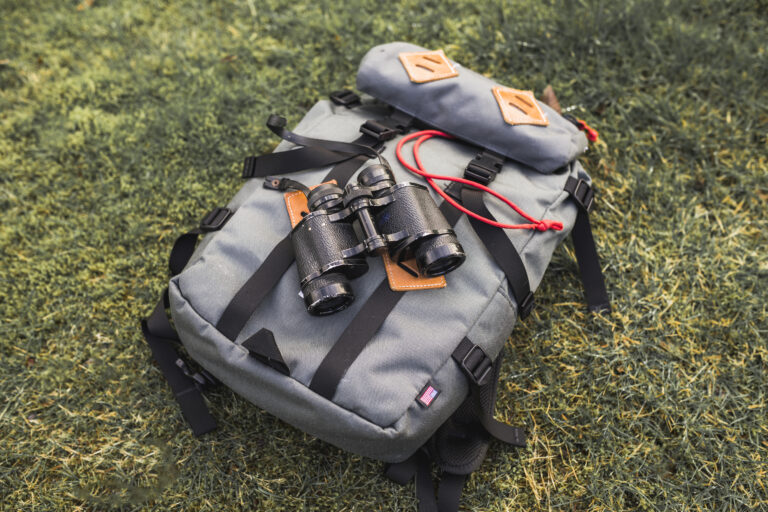
If you’ve ever set off on a multi-day hike or backpacking trip, you know that your tent can make or break your adventure. The right tent isn’t just about having a place to sleep—it’s about comfort, protection, and convenience while you’re out in the wilderness. With today’s advanced materials, modern tents manage to balance lightweight design with rugged durability, making them perfect for outdoor explorers.
Why Choosing the Right Tent Matters for Outdoor Adventures
A poorly chosen tent can add unnecessary weight to your pack, fail during bad weather, or leave you cramped and uncomfortable. On the other hand, a well-selected tent enhances your trip by keeping you dry, warm, and well-rested. Whether you’re a solo backpacker chasing ultralight setups or a pair of hikers looking for comfort, choosing the right tent is a vital step before hitting the trails.
Key Features to Look for in a Backpacking Tent
Weight vs. Durability: Finding the Balance
Backpacking tents are designed to be portable, but going too light often means sacrificing durability. A good balance ensures your tent can withstand rough terrain and still pack down to a manageable size.
Weather Resistance and Seasonality
Consider whether you’ll be camping in mild summer conditions or pushing into harsher, windier environments. Most backpacking tents are 3-season, but for alpine or snowy adventures, a 4-season tent is a better choice.
Ventilation and Comfort Considerations
Proper airflow prevents condensation, which can soak your sleeping bag and gear overnight. Mesh panels, dual doors, and smart venting designs make a big difference in long-term comfort.
Setup and Packability
After a long day of hiking, nobody wants to wrestle with complicated tent poles. Look for tents with quick-pitch designs and compact packing systems that fit easily into your backpack.
The Top 10 Lightweight & Durable Backpacking Tents
1. Big Agnes Copper Spur HV UL2 – The All-Rounder
If you’re looking for the perfect balance of weight, comfort, and features, the Copper Spur HV UL2 stands tall. With steep vertical walls that maximize living space, this tent feels roomier than most two-person shelters. The two doors and vestibules are lifesavers for couples, while the excellent ventilation keeps things fresh, even in muggy conditions. At just over 3 pounds, it’s not the absolute lightest, but it’s one of the most versatile and livable tents for long-distance hikes.
2. MSR Hubba Hubba NX 2 – The Reliable Workhorse
Durability meets practicality with the MSR Hubba Hubba NX 2. This tent has a reputation for standing strong against wind and rain, making it a top choice for unpredictable conditions. The symmetrical, pole-supported design creates more usable space than most competitors, and setup is so straightforward that even beginners can pitch it in minutes. At 3.5 pounds, it’s light enough for backpacking but sturdy enough for extended trips. Many hikers call this the “set it and forget it” tent—you can count on it trip after trip.
3. Nemo Hornet Elite OSMO 2P – Featherlight but Functional
For hikers obsessed with shaving ounces, the Nemo Hornet Elite OSMO 2P is a dream come true. Weighing just 2.5 pounds, it’s one of the lightest double-wall tents on the market. Despite its minimalist build, it still boasts two doors and vestibules, so you won’t feel cramped. The new OSMO fabric resists sagging when wet and uses sustainable materials, making it eco-friendly too. It’s a tight fit for two, but solo hikers who want extra gear space will love it. If every ounce matters, the Hornet Elite is a serious contender.
4. REI Co-op Quarter Dome SL 2 – Best Value for Money
REI nails the sweet spot between affordability and performance with the Quarter Dome SL 2. Priced well below some premium ultralight tents, it still manages to weigh around 3 pounds and provide plenty of space for two. Ventilation is strong, and the semi-freestanding design makes setup easy while keeping the tent stable in light winds. This tent is ideal for weekend warriors or backpackers who want quality gear without draining their wallets. Plus, REI’s excellent warranty and repair service give extra peace of mind.
5. Zpacks Duplex – Ultralight Legend
Ask any thru-hiker about the ultimate ultralight shelter, and chances are they’ll mention the Zpacks Duplex. At under 2 pounds, this Dyneema-based tent is lighter than most sleeping bags. It’s fully waterproof, highly durable for its weight, and sets up using trekking poles instead of traditional tent poles. The Duplex is incredibly spacious inside, with excellent ventilation to cut down condensation. It’s pricey, yes, but if your goal is to crush miles on the Appalachian Trail or Pacific Crest Trail, this is the tent to beat.
6. Hilleberg Anjan 2 – Storm-Proof Shelter
The Hilleberg Anjan 2 isn’t the lightest tent on this list, tipping the scales at around 4 pounds, but it’s built for serious conditions. If you’re trekking into windy, storm-prone areas or alpine environments, the Anjan offers rock-solid protection that ultralight tents simply can’t match. Its tunnel design provides excellent space, while the high-quality fabrics and poles make it nearly indestructible. Many mountaineers and adventurers swear by Hilleberg tents for their long-term reliability. It’s a tent built for those who value safety over saving ounces.
7. Marmot Tungsten Ultralight 2P – Budget-Friendly Comfort
If you want a balance of comfort, affordability, and decent weight, the Marmot Tungsten UL 2P is a solid pick. Coming in at around 3.5 pounds, it’s not the lightest but has a roomy interior that makes it more comfortable than many ultralight models. Setup is straightforward, and it offers solid weather resistance for 3-season use. For backpackers who don’t want to spend premium prices but still need a reliable, livable tent, the Tungsten UL hits the mark.
8. Sea to Summit Alto TR2 – Innovative and Airy
The Sea to Summit Alto TR2 stands out for its unique “tension ridge” pole system, which boosts headroom and enhances ventilation. At 2.6 pounds, it’s lightweight, but unlike many ultralight tents, it doesn’t feel claustrophobic. The Alto is also modular—you can strip it down into a minimal shelter for fast-and-light missions or keep the full setup for comfort. This versatility makes it a great pick for hikers who like to adapt their gear to different adventures.
9. Kelty Late Start 2 – Beginner-Friendly Classic
The Kelty Late Start 2 is the perfect entry-level tent for new backpackers. It’s heavier at around 4.5 pounds, but it’s also durable, easy to pitch, and very affordable. The single-pole design makes setup a breeze, even in the dark. While it doesn’t have the bells and whistles of premium tents, it’s tough enough for casual weekend trips and forgiving for first-time users. For hikers on a tight budget who don’t mind carrying a bit more weight, this is a reliable option.
10. Naturehike Cloud-Up 2 – Budget Ultralight Choice
For those who want a lightweight tent without spending big, the Naturehike Cloud-Up 2 delivers excellent value. Weighing just about 3 pounds, it’s comparable to much pricier models but costs a fraction of the price. It’s waterproof, easy to pack, and compact, making it a hit among budget-conscious backpackers and international travelers. While the materials aren’t as rugged as high-end brands, with proper care it can last for years. For hikers dipping their toes into backpacking, this is one of the best starter ultralight tents.
Expert Tips for Choosing the Right Tent
Matching Tent Size to Your Hiking Style
Choosing the right tent size depends on whether you prioritize weight savings or comfort. Solo hikers often opt for a 1-person tent to cut ounces, but many prefer a lightweight 2-person tent for extra elbow room and gear storage.
- ✅ Solo hikers: 1P tents for minimal weight
- ✅ Comfort seekers: 2P tents, even when hiking alone
- ✅ Group hikers: Consider a larger tent with multiple doors
Ultralight vs. Standard Backpacking Tents
Ultralight tents are excellent for long-distance hikes where every ounce matters, but they usually trade off on space and durability. Standard backpacking tents are slightly heavier but often more durable, comfortable, and budget-friendly.
- ✅ Ultralight tents: Best for thru-hikes and weight-focused trekkers
- ✅ Standard tents: Better for casual trips, beginners, or rough terrain
- ✅ Choose based on trip length and expected conditions
Investing in Longevity and Quality
A good tent is an investment in safety and comfort. Higher-quality models use durable fabrics, waterproof coatings, and stronger poles, which means they’ll last for years and handle harsh conditions better than cheap alternatives.
- ✅ Spend more upfront to avoid frequent replacements
- ✅ Look for reputable brands with strong warranties
- ✅ Consider longevity if you plan frequent adventures
How to Care for and Maintain Your Tent
Cleaning and Storage Tips
Proper care extends your tent’s lifespan. Always ensure your tent is clean and completely dry before packing it away. Store it loosely in a breathable storage sack rather than keeping it compressed in its stuff sack.
- ✅ Air-dry your tent after every trip
- ✅ Brush off dirt and gently clean with mild soap if needed
- ✅ Store in a cool, dry place to prevent mold and fabric damage
Repairing Rips and Zippers
Even the best tents can suffer small tears, broken poles, or sticky zippers. Carrying a compact repair kit ensures you can fix issues on the trail and avoid a ruined trip.
- ✅ Use duct tape or fabric patches for small rips
- ✅ Apply seam sealer to prevent leaks
- ✅ Keep zippers clean and lubricated for smooth use
FAQs About Backpacking & Hiking Tents
Conclusion: Choosing the Best Tent for Your Next Adventure
The right tent is more than just shelter—it’s your home in the wilderness. Whether you prioritize ultralight designs like the Zpacks Duplex, durable all-weather options like the Hilleberg Anjan, or budget-friendly models like the Naturehike Cloud-Up, there’s a tent that fits every backpacker’s needs.
When choosing, consider your hiking style, budget, and the conditions you’ll face. With the right tent, every trip becomes safer, more comfortable, and more enjoyable.