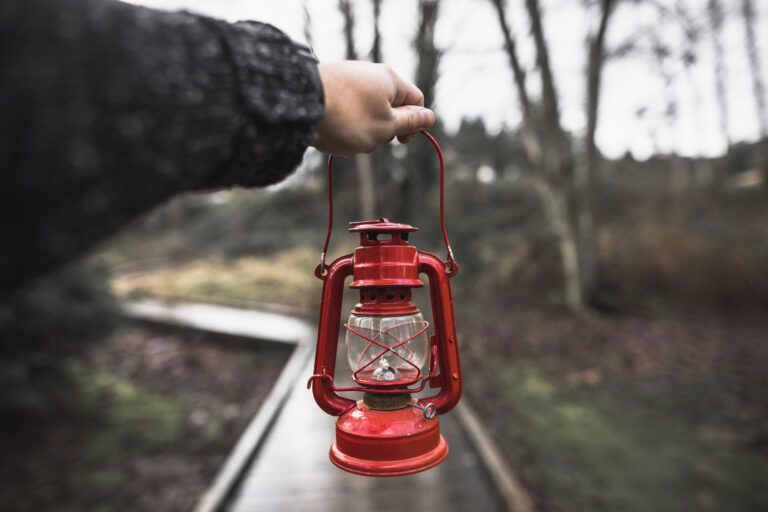
In today’s unpredictable world, being prepared is no longer a luxury—it’s a necessity. Whether you’re facing natural disasters, power outages, or unexpected emergencies, having the best survival kit for emergencies and preppers can mean the difference between safety and panic. In this comprehensive guide, we review the top-rated survival kits of 2025, share expert buying tips, and help you choose the perfect one for your needs.
Why Every Prepper Needs a Survival Kit
When disaster strikes, the last thing you want is to scramble for supplies. From hurricanes and earthquakes to wildfires and blizzards, emergencies can strike without warning.
A well-prepared survival kit ensures you have the essentials—food, water, first aid, and shelter—to survive for at least 72 hours. For preppers, it’s not paranoia; it’s peace of mind.
According to FEMA, only 39% of Americans have an emergency plan. That means most households are one unexpected event away from chaos. Investing in a quality survival kit helps safeguard your family, pets, and home in critical situations.
What to Look for in the Best Survival Kits
Choosing the right survival kit isn’t just about grabbing the biggest bag on the shelf. It’s about functionality, durability, and smart design. Here’s what truly matters:
Durability and Portability
A survival kit must withstand tough conditions. Look for water-resistant bags, reinforced zippers, and compact designs for easy carrying. Lightweight yet durable materials like nylon or ripstop fabric are ideal for mobility.
Essential Tools and Gear
When it comes to surviving an emergency, having the right tools can make all the difference. The best survival kits aren’t just packed with random items—they’re thoughtfully equipped with multi-functional gear designed to help you handle a wide range of survival scenarios. Whether you’re navigating through the wilderness, sheltering in place after a natural disaster, or trying to signal for help, these essential tools are the backbone of every reliable survival kit.
1. Multi-tool or Knife
A multi-tool or survival knife is one of the most versatile and indispensable items you can carry. It’s your go-to instrument for cutting rope, opening cans, fixing equipment, or even self-defense in dire situations. Look for high-quality stainless steel tools with multiple functions—pliers, screwdrivers, scissors, and bottle openers. A full-tang survival knife (where the blade extends through the handle) offers superior durability and control, especially for outdoor tasks like carving wood or preparing food.
2. Flashlight or Headlamp
Light is life in an emergency. Power outages can last for hours—or days—so a reliable flashlight or headlamp is crucial for visibility and safety. LED flashlights are ideal because they’re bright, energy-efficient, and durable. Headlamps are even better for hands-free operation, especially when you need to cook, walk, or perform first aid in the dark. Always include extra batteries or, even better, opt for a solar-powered or hand-crank flashlight for long-term reliability.
3. Fire Starter or Waterproof Matches
Fire provides warmth, protection, and the ability to cook food or boil water. Your survival kit should include fire-starting tools such as waterproof matches, magnesium rods, or a butane lighter. Ferro rods (ferrocerium rods) are especially valuable—they create sparks at extremely high temperatures and work even when wet. Remember to practice using your fire starter before an emergency occurs. A small pack of tinder or fire-starting material (like cotton balls soaked in petroleum jelly) can make the process much easier in damp conditions.
4. Compass and Whistle
Navigation tools can be life-saving when GPS signals fail. A reliable compass helps you orient yourself and find direction without relying on electronics. Some kits even include map-reading guides or protractors for more precise navigation.
A whistle is equally important—it’s a lightweight but powerful signaling tool that can be heard over long distances. In a rescue situation, three short blasts on a whistle is the universal distress signal recognized worldwide.
5. Emergency Blanket or Poncho
Exposure to the elements can quickly become dangerous. An emergency blanket, also known as a Mylar blanket, helps retain up to 90% of your body heat and provides crucial insulation during cold nights. It can also double as a makeshift shelter, ground cover, or rain catcher.
Similarly, a waterproof poncho not only keeps you dry but can also serve as an extra layer of wind protection or even an improvised tarp. Compact and lightweight, these items take up minimal space but play a major role in survival comfort and safety.
6. Food and Water Supplies
Aim for kits with minimum 72-hour rations. Check calorie content (2000–2500 per person per day) and include water purification tablets or filters. Dehydrated meals are a plus for long-term emergencies.
7. Medical and First Aid Essentials
A good first aid kit should include bandages, antiseptic wipes, tweezers, pain relievers, and CPR tools. For families, look for child-safe medicines and extra sanitary items.
The 7 Best Survival Kits for Emergencies & Preppers (2025)
1. EVERLIT Complete Survival Kit – Best All-Around Choice
| Image | Product | Features | Price |
|
1
 |
EVERLIT Complete Survival Kit |
Compact, Mountable, Portable |
Packed with over 200 items, this kit includes medical supplies, tools, and gear for up to two people. Designed by U.S. veterans, it’s lightweight yet incredibly complete.
Best For: Solo travelers and beginners.
Pros: Durable, compact, includes Molle pouch.
Cons: Limited food supply.
2. Sustain Supply Co. Comfort2 – Best for Families
| Image | Product | Features | Price |
|
1
 |
Sustain Supply Co. Comfort2 |
Durable, weather-resistant backpack |
This 72-hour kit supports two people with meals, water, lighting, and first aid. Its organization and high-quality gear make it perfect for families.
Best For: Couples and small families.
Pros: Comprehensive contents, easy storage.
Cons: Slightly bulky.
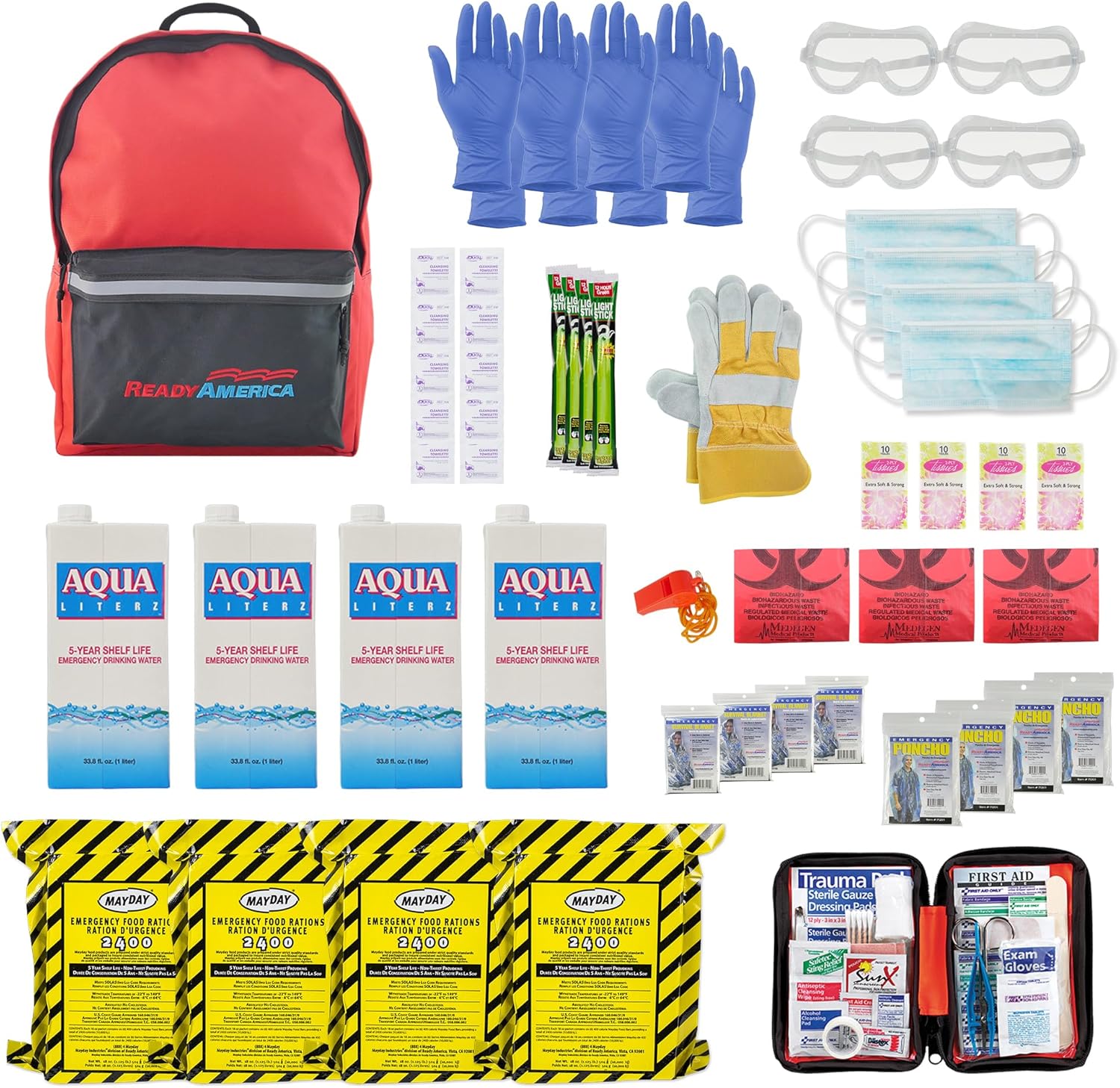
3. Ready America Deluxe 4-Person Kit – Best Emergency Bag for Home
| Image | Product | Features | Price |
|
1
 |
Ready America Deluxe 4-Person Kit |
Food, water, emergency blankets |
One of Amazon’s best-sellers, this kit includes food, water, and survival tools for four people.
Best For: Home preparedness.
Pros: Covers all essentials, good for earthquakes.
Cons: Packaging could be sturdier.
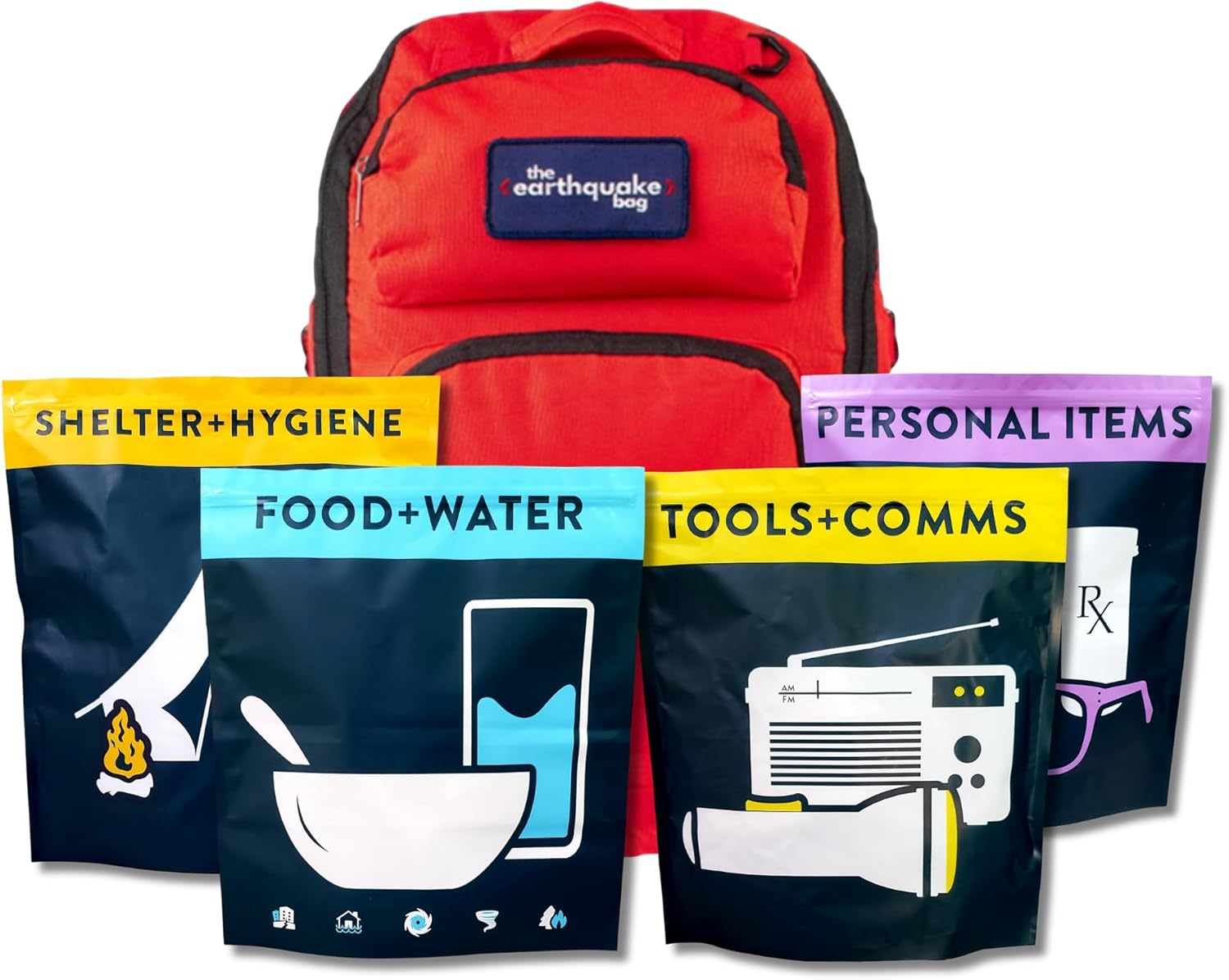
4. Redfora Complete Earthquake Bag – Best for Urban Preppers
| Image | Product | Features | Price |
|
1
 |
Redfora Complete Earthquake Bag |
HYGIENE AND FIRST AID INCLUDED |
Designed for city living, it includes tools, first aid, and comfort items. Comes pre-packed and color-coded.
Best For: Apartment dwellers and urban families.
Pros: Organized compartments, great design.
Cons: Pricier than average kits.
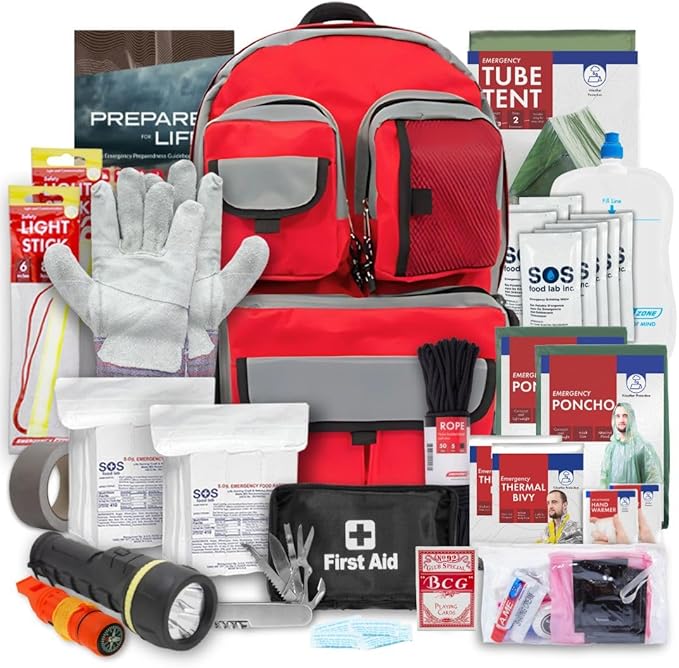
5. JUDY The Safe – Best Modern, Stylish Survival Kit
| Image | Product | Features | Price |
|
1
 |
JUDY The Safe |
First aid, backpack, shelter, light, water, food, hygiene, tools, water |
A sleek, well-designed kit with premium tools and a minimalist feel.
Best For: Style-conscious preppers.
Pros: Aesthetic, high-quality gear.
Cons: Less food and water included.
6. Uncharted Supply Seventy2 Pro – Best Premium Survival Pack
| Image | Product | Features | Price |
|
1
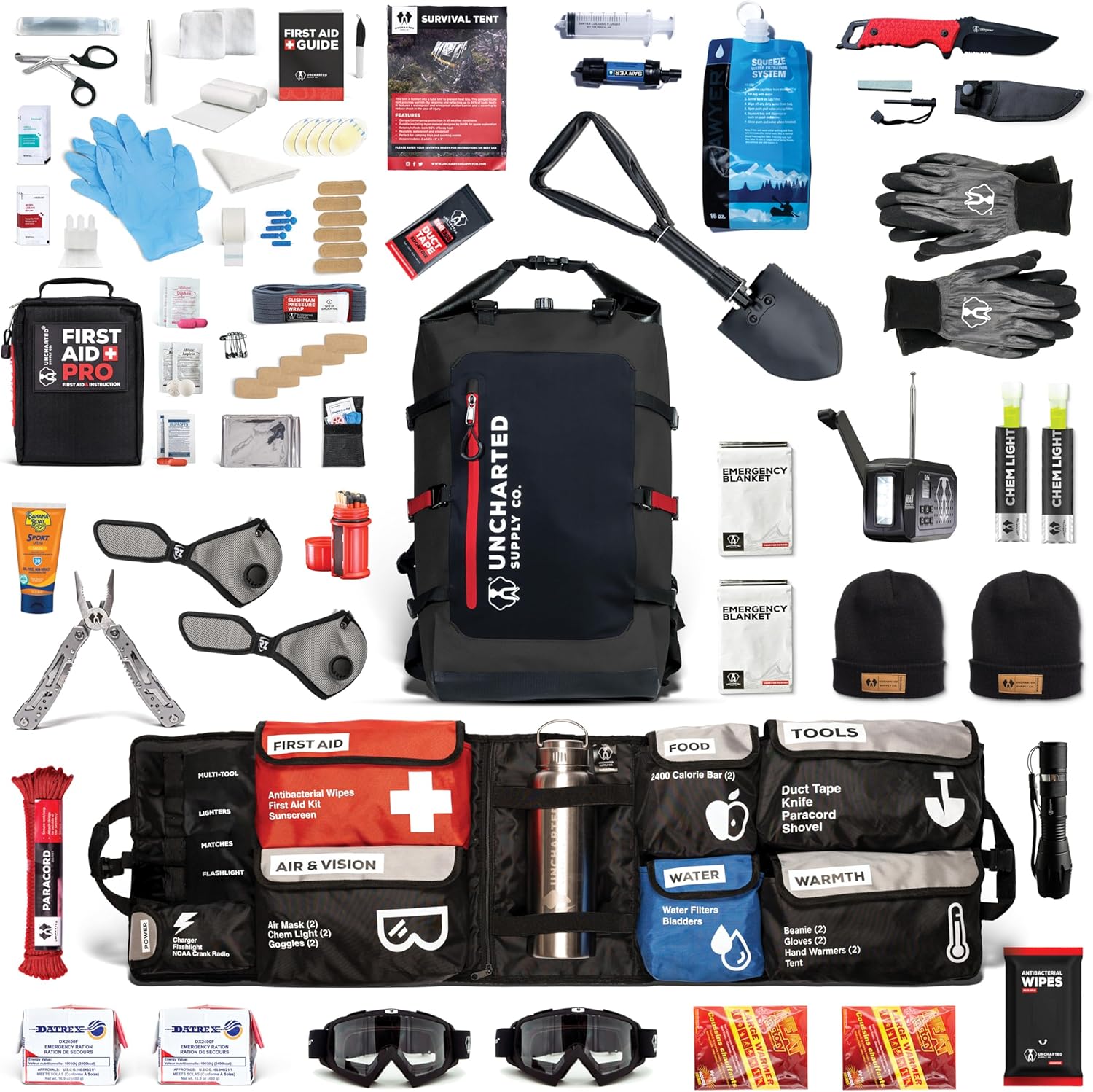 |
Uncharted Supply Seventy2 Pro |
EMERGENCY GEAR, EXPERTLY PACKED |
Developed by experts, this kit includes everything from air filtration to hydration bladders.
Best For: Advanced preppers and adventurers.
Pros: Exceptional build, waterproof shell.
Cons: Expensive but worth it.
7. Rescue Guard First Aid & Survival Kit – Best Budget Option
Affordable, compact, and ideal for beginners.
Best For: Entry-level preppers or car kits.
Pros: Great value, solid essentials.
Cons: Basic compared to high-end models.
How to Maintain and Update Your Survival Kit
Owning a kit is just the start—keeping it updated is vital. Check your supplies every six months for expired food, drained batteries, or damaged packaging. Replace what’s missing and test your flashlight or radio regularly.
Seasonal Adjustments
In cold climates, add blankets and thermal gear. For summer, include sunscreen, hats, and electrolyte powders.
Personalization for Family or Solo Use
Customize your kit to include pet food, baby formula, medications, or allergy-friendly snacks.
CCommon Mistakes Preppers Make When Building a Kit
Even the most dedicated preppers can make errors when assembling a survival kit. The truth is, preparation isn’t just about having supplies—it’s about having the right supplies, properly maintained and ready for use. Overconfidence, poor planning, or neglecting small details can turn a well-stocked kit into a liability. Below are some of the most common mistakes people make—and how you can avoid them.
1. Ignoring Expiration Dates on Food and Medicine
One of the most overlooked aspects of survival kits is shelf life. Emergency food, water, and medicine all have expiration dates. Consuming expired rations can lead to illness or reduced nutritional value when you need energy the most.
Always check expiration dates at least twice a year—mark them on your calendar or use reminder apps to track when replacements are needed. Rotate out older items and use them in non-emergency situations so that nothing goes to waste. This practice ensures your kit remains fresh, safe, and reliable when disaster strikes.
2. Forgetting Spare Batteries or Charging Cables
Imagine having a flashlight or radio when the power’s out—only to realize the batteries are dead. It’s a surprisingly common mistake. Many preppers pack electronic gear but forget spare batteries, solar chargers, or hand-crank power options.
To prevent this, choose devices that use standard battery sizes (AA or AAA) for easy replacement. Keep a few backup sets sealed in waterproof packaging. For modern tech like phones or GPS units, include universal USB cables and a portable power bank that can be recharged via solar energy. Reliable power can be a lifeline in prolonged emergencies.
3. Overpacking Unnecessary Tools
It’s tempting to fill your kit with every gadget and gear item you come across, but this often leads to heavy, impractical, and cluttered bags. Overpacking can slow you down, cause fatigue, and make it harder to find what you actually need.
Instead, follow the rule of “one is none, two is one.” This means carrying backup for critical items (like fire starters or knives) but avoiding excess tools that serve no purpose. Every piece of equipment should have a clear, functional reason for being in your pack. Prioritize multi-purpose tools—like a multi-tool, paracord, or duct tape—that offer versatility without extra bulk.
4. Neglecting Personal Comfort Items Like Hygiene Supplies or Clothing
Many preppers focus solely on survival gear and forget about basic comfort and hygiene, which are just as vital. Items like soap, toothbrushes, feminine hygiene products, wet wipes, and deodorant can dramatically improve morale and health in long-term emergencies.
Equally important are extra clothes, especially socks and undergarments. Clean, dry clothing helps prevent infections and keeps you warm. Layering is key—include a combination of lightweight, moisture-wicking, and thermal fabrics to handle changing conditions.
5. Failing to Test or Familiarize Yourself with Your Gear
Having top-tier equipment is useless if you don’t know how to use it. Many people buy ready-made kits but never open them until an emergency happens—by then, it’s too late to learn.
Make time to practice using your tools: start a fire with your ferro rod, pitch your emergency shelter, or navigate using your compass. This hands-on familiarity not only builds confidence but ensures you won’t be fumbling in panic when the situation turns critical.
6. Storing Your Kit in the Wrong Place
Accessibility is just as important as contents. A perfectly prepared kit won’t help if it’s stored in your basement when a flood hits or in your attic during a fire. Keep your survival kits in strategic, easy-to-reach locations—for instance, one at home, one in your vehicle, and one at work.
Also, make sure every household member knows where the kits are and how to use them. In an emergency, seconds matter, and quick access can make all the difference.
Frequently Asked Questions (FAQs)
Conclusion – Be Ready for Anything
Emergencies rarely announce their arrival. The 7 best survival kits for emergencies and preppers offer peace of mind and practical protection for any scenario. Whether you’re a beginner or seasoned prepper, investing in a reliable kit today