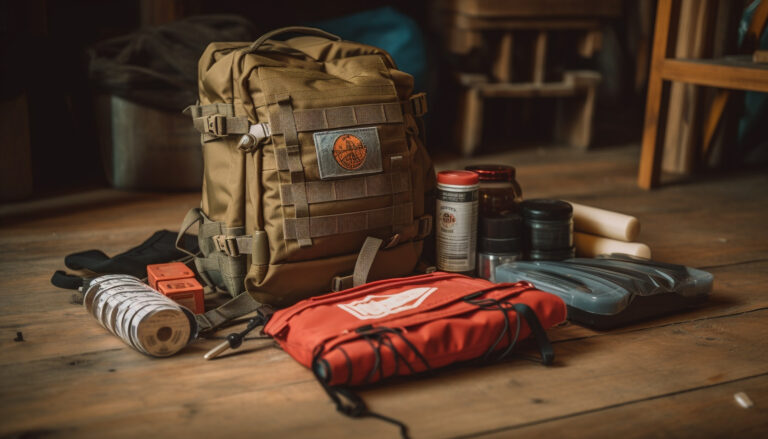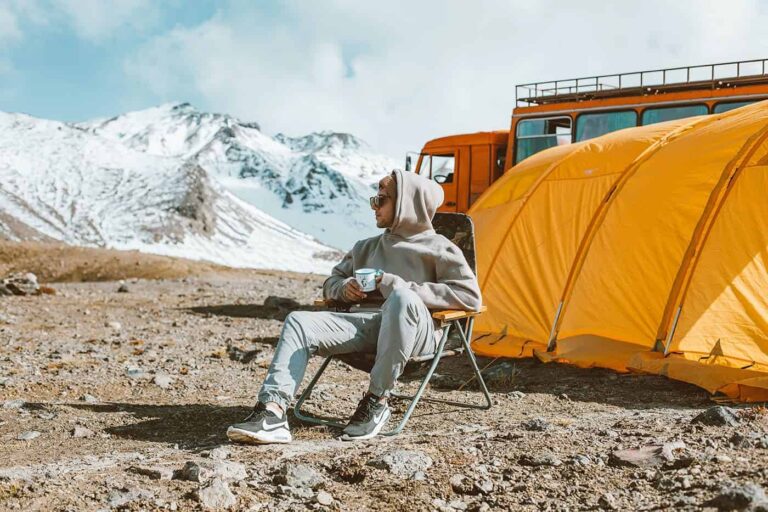
A successful camping trip depends on preparation and the tools you bring. Whether you’re spending a quiet weekend by a lake or trekking deep into backcountry trails, your equipment can determine your safety, comfort, and enjoyment.
At GearForGrits, we believe that the right tools aren’t just accessories—they’re lifelines. Investing in high-quality, multi-functional camping tools helps you adapt to any challenge nature throws your way Let’s dive into the 10 must-have camping tools that every modern camper should carry in 2025.
What to Look for in Essential Camping Tools
Choosing the right camping tools isn’t just about filling your backpack—it’s about balancing survival, comfort, and convenience. Every piece of equipment you bring should serve a clear purpose and perform reliably in the wild. Poor-quality tools can fail at the worst possible time, so knowing what to look for before buying is crucial.
Here’s how to ensure your tools can handle whatever nature throws at you.
1. Material Quality and Weather Resistance
When you’re outdoors, your gear is constantly exposed to rain, mud, wind, and temperature changes. That’s why material choice is the foundation of durability and performance.
- Stainless Steel: Perfect for knives, multitools, and cookware due to its corrosion resistance and easy maintenance. It holds up well to moisture and heavy use.
- Anodized Aluminum: Lightweight yet strong—great for cookware, tent poles, and utensils. It won’t rust, and the anodized surface resists scratches.
- Titanium: A premium option that combines extreme strength with minimal weight. Ideal for serious adventurers who prioritize performance over price.
In addition to base materials, look for weatherproof coatings like powder finishes or DWR (Durable Water Repellent) treatments. These help resist rust, abrasion, and UV damage.
Handles and grips should be rubberized or textured for better control—especially in wet, cold, or gloved conditions.
GearForGrits Tip: Avoid cheap plastics or thin metal parts. They may save money upfront but often fail in rugged, real-world use.
2. Size, Weight, and Multi-Functionality
In camping, every ounce matters. Your goal is to pack light while ensuring you have the tools needed to stay safe, warm, and fed. The best camping gear pulls double—or even triple—duty.
For example:
- A multi-tool can replace half your toolbox, offering pliers, knives, screwdrivers, and scissors in one pocket-sized unit.
- A pot-lid combo can serve as both cookware and a plate.
- Trekking poles can double as tent supports in ultralight setups.
Look for compact and collapsible gear that minimizes space without sacrificing strength. Many top brands now use modular designs that let you customize your setup based on the trip type—day hike, weekend camp, or extended expedition.
Pro Tip: Choose quality over quantity. A few well-made tools will outperform a pack full of cheap, single-use items every time.
3. Ergonomics and Ease of Use
A great camping tool should feel natural in your hand and simple to use, even in low light or freezing weather.
Prioritize:
- Non-slip handles and easy-grip textures.
- Smooth-opening mechanisms on multi-tools and knives.
- Quick-attach carabiners or loops for accessibility.
- Simple maintenance—tools that are easy to clean and dry prevent rust and wear.
When you’re cold, tired, or racing the weather, usability is everything. A well-designed handle or latch can save you precious time and energy.
4. Durability Under Real Conditions
Marketing claims don’t always match field performance. Before committing, read verified field reviews and—if possible—test your tools before heading out.
A good test checklist includes:
- Does it function smoothly under load?
- Does it resist corrosion after moisture exposure?
- Are there any weak points, such as loose screws or thin hinges?
The GearForGrits standard for durability involves three factors: abrasion resistance, stability under pressure, and component reliability. A true camping tool should be able to take a beating, whether it’s banging against rocks, hanging from a pack, or enduring multiple freeze-thaw cycles.
5. Portability and Packing Efficiency
Your tools should integrate seamlessly into your gear layout. Lightweight carabiner clips, MOLLE-compatible attachments, or nesting cookware sets are excellent for minimizing clutter.
Keep in mind:
- Compact tools are easier to organize and access.
- Stackable or folding gear saves both space and time during setup.
- Dry bags or tool rolls keep smaller tools organized and protected from the elements.
Portability doesn’t mean fragility—high-end ultralight materials like carbon fiber and titanium prove that strong can also be light.
6. Safety and Reliability
Out in the wild, reliability equals safety. Look for tools that lock securely, maintain edge retention, and stay functional even after repeated use.
For cutting tools and fire starters, sturdy locking mechanisms prevent accidents. For stoves or lanterns, fuel efficiency and flame control ensure consistent performance. Always test your tools before the trip to catch any malfunctions early.
Safety Reminder: Don’t just buy tools—learn how to use them properly. Even the best gear won’t help if you can’t deploy it confidently when it counts.
The Top 10 Must-Have Camping Tools (2025 Edition)
Here’s our GearForGrits-tested lineup of the top camping tools that combine innovation, durability, and real-world performance.
1. Multi-Tool or Swiss Army Knife
The foundation of every outdoor kit, a multi-tool is your go-to problem solver. Whether you need to cut paracord, open cans, repair gear, or make fire kindling, this compact powerhouse handles it all.
Top picks include:
- Leatherman Wave+ – 18 tools in one, including pliers, saw, and screwdriver.
- Victorinox SwissTool Spirit X – Polished design and exceptional durability.
Pro Tip: Choose a model with locking blades and spring-loaded pliers for improved safety and ease of use.
2. Reliable Camping Stove
A compact camping stove brings the comfort of a hot meal to any location. When open fires are prohibited or impractical, these stoves offer precision and efficiency.
Recommended options:
- Jetboil Flash: Ultra-fast boiling system with built-in wind resistance.
- MSR PocketRocket Deluxe: Lightweight, durable, and fuel-efficient.
Keep extra fuel handy, and always cook in a ventilated area to prevent carbon buildup.
3. High-Lumen Headlamp or Flashlight
A dependable light source ensures visibility during night hikes or campsite chores. Go for headlamps to free your hands for cooking or navigation.
Look for:
- Rechargeable lithium-ion batteries.
- Adjustable brightness (200–400 lumens minimum).
- Water and impact resistance (IPX4 or higher).
GearForGrits favorites: Black Diamond Spot 400-R and Fenix HM50R.
4. Fire Starter or Ferro Rod Kit
Fire is life in the wilderness—for warmth, cooking, and signaling. A ferrocerium rod outperforms matches and lighters in wet conditions.
Use it with a striker or knife spine to produce sparks exceeding 3,000°F.
Pair it with natural tinder or cotton balls soaked in petroleum jelly for fast ignition.
Try the Light My Fire Army 2.0 for a durable, ergonomic option trusted by bushcraft experts.
5. First Aid Kit
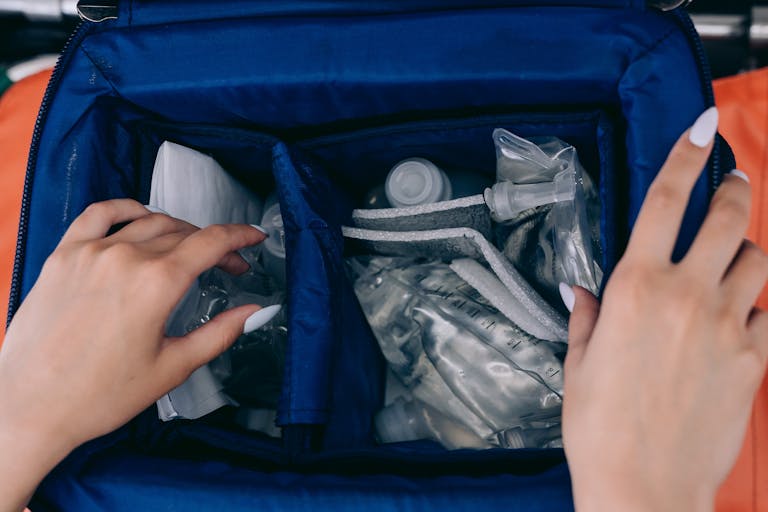
A customizable first aid kit prepares you for everything from minor cuts to sprains. Always carry medical supplies tailored to your trip’s duration and risk level.
Include:
- Adhesive bandages and antiseptic wipes
- Tweezers, scissors, and safety pins
- Pain relief medication and antihistamines
- Trauma dressings and gloves
For extended trips, consider wilderness first aid kits like the Adventure Medical Kits Mountain Series.
Pro Tip: Review your kit after every trip and restock immediately.
6. Water Filtration System
Access to clean, safe drinking water can make or break your camping trip. Even the clearest stream can contain bacteria, protozoa, or microplastics that cause serious illness. That’s where a reliable water filtration system comes in—it turns natural sources into drinkable water on the go.
Types of Filtration Systems
- Squeeze Filters: Compact and easy to use. Attach directly to your water bottle or pouch.
- Example: Sawyer Squeeze – lightweight, efficient, and ideal for solo campers.
- Gravity Filters: Perfect for group camping—hang the bag, let gravity do the work.
- Example: Platypus GravityWorks 4L – filters large volumes quickly with minimal effort.
- Straw Filters: Great for ultralight travel and emergencies.
- Example: LifeStraw Peak Series – small, durable, and filters up to 4,000 liters of water.
- Pump Filters: Provide pressure control and are effective in shallow water.
Key Features to Look For
- Micron rating: A good filter should block particles down to 0.1 microns.
- Flow rate: Faster filters reduce refill time.
- Replaceable cartridges: Save money and reduce waste.
GearForGrits Tip: Always carry a backup purification method like iodine tablets or a UV pen. Filters can clog or freeze in cold weather, so redundancy is survival.
7. Durable Tent and Shelter System
Your tent is your primary line of defense against the elements. A poor shelter means sleepless nights, wet gear, and exposure risks. Modern camping tents are lighter, tougher, and easier to set up than ever—but choosing the right one depends on your environment and style.
What Makes a Great Tent
- Weatherproof Fabric: Look for silnylon or ripstop polyester with a PU or silicone coating. These materials resist tearing and prevent leaks.
- Strong Poles: Aluminum poles (like DAC Featherlite) balance strength and flexibility. Avoid cheap fiberglass poles that can crack in cold temperatures.
- Ventilation: Dual doors and mesh panels prevent condensation inside the tent.
- Ease of Setup: Freestanding tents save time and can be moved without disassembly.
Top GearForGrits Recommendations
- Big Agnes Copper Spur HV UL2 – premium ultralight design for backpackers.
- REI Co-op Half Dome SL 2+ – great balance of space, comfort, and value.
- MSR Hubba Hubba NX 2 – rugged build for harsh weather conditions.
Pro Tip: Always use a footprint (groundsheet) under your tent to prevent abrasion and extend its lifespan.
8. Compact Camping Cookware Set
A hot meal at camp is more than comfort—it’s fuel for survival and morale. Compact cookware lets you prepare nutritious food without burdening your pack.
What to Include in a Cookware Set
- Pot & Pan Combo: Opt for hard-anodized aluminum or titanium—light, non-stick, and easy to clean.
- Utensils: Collapsible silicone or stainless steel sporks save space.
- Lid & Handle System: Detachable handles reduce bulk and allow for nested storage.
- Storage Bag: Keeps soot and grease off your other gear.
GearForGrits Favorites
- GSI Outdoors Pinnacle Camper Set: A full kit for 2–4 people, includes pots, pans, and plates.
- Snow Peak Titanium Cook Set: Ultralight and nearly indestructible—ideal for minimalists.
- Stanley Adventure Cook Set: Affordable and built for rugged use.
GearForGrits Tip: Use a portable cutting board and biodegradable soap for easy cleanup without harming the environment.
9. Paracord and Utility Rope
If there’s one piece of gear that’s as versatile as it is essential, it’s paracord. Originally used in parachutes, this nylon cord has evolved into a camping and survival staple.
Uses in the Field
- Setting up tents or tarps
- Creating makeshift clotheslines or shelters
- Securing gear or repairing straps
- Making snares, traps, or even splints in emergencies
- Crafting lanyards, belts, or bracelets
A 50-foot length of Type III 550 paracord can hold up to 550 pounds and consists of multiple inner strands that can be removed and repurposed for sewing, fishing, or threading snares.
For heavier tasks, consider nylon utility rope with a tensile strength of 1,000+ pounds.
Pro Tip: Always carry at least two 25-foot bundles—one for everyday camp tasks and one reserved for emergencies.
10. Portable Power Bank or Solar Charger
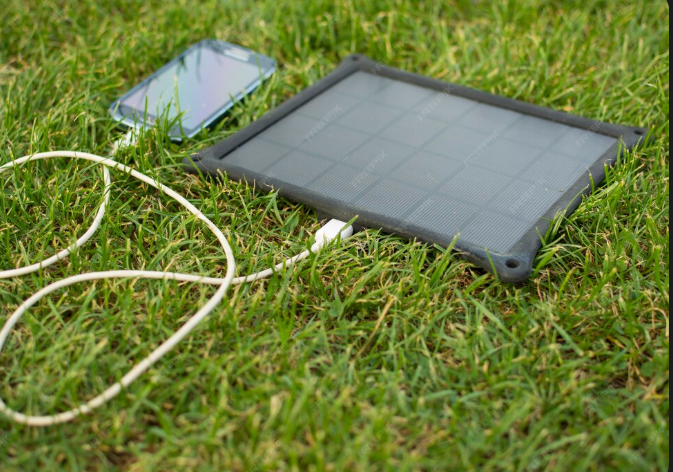
Modern camping often includes navigation apps, GPS units, headlamps, and cameras. Keeping them powered in the backcountry is vital, especially for safety. That’s where portable power banks and solar chargers come into play.
Choosing the Right Power Source
- Power Capacity: Measured in mAh. A 20,000mAh unit can charge a smartphone 4–6 times.
- Output Ports: Multiple USB outputs let you charge more than one device simultaneously.
- Durability: Rugged, waterproof casings (IP65+) are essential for outdoor use.
- Solar Panels: Great for multi-day trips; look for high-efficiency monocrystalline panels that recharge even under partial sun.
GearForGrits Favorites
- Anker PowerCore Solar 20000 – dual charging with drop resistance.
- Goal Zero Nomad 10 – lightweight solar charger ideal for hikers.
- BioLite Charge 80 PD – fast-charging and built for extreme environments.
GearForGrits Tip: Always keep your power bank inside your sleeping bag overnight during cold conditions freezing temperatures reduce battery efficiency by up to 30%.
Packing Smart: How to Organize Your Camping Tools
A perfectly chosen gear kit can still fail if it’s poorly packed. Smart organization ensures you can find what you need quickly, reduces strain on your body, and keeps your tools in top condition. Whether you’re hiking, car camping, or bugging out, your backpack should feel balanced and intuitive — every item in its rightful place.
1. Organize by Function and Frequency of Use
Think about how often you’ll need each item. Tools used frequently should be easily accessible, while less-used gear can be stored deeper inside.
- Outer compartments: Keep your knife, flashlight, map, compass, and first aid kit here. These are your quick-reach tools — you don’t want to unpack half your bag in an emergency.
- Top lid or quick-access pouches: Perfect for snacks, sunscreen, and fire starters.
- Side pockets: Great for water bottles or tent poles, balancing the load evenly on both sides.
- Bottom compartment: Reserve this space for sleeping bags, tarps, or clothing — lighter, bulky items that don’t need frequent access.
GearForGrits Tip: Always pack your knife and flashlight in opposite pockets to prevent fumbling in the dark or cutting through soft gear.
2. Balance and Load Distribution
Weight distribution can make or break your comfort on the trail. A properly balanced pack helps prevent back pain, fatigue, and instability.
- Heavy items (like your stove, cookware, or power bank) should be packed close to your spine and centered vertically. This keeps your center of gravity aligned and prevents the pack from pulling backward.
- Medium-weight gear (like your tent or food bag) belongs just above the heavier base layer.
- Light items (like clothing or sleeping gear) go toward the bottom and top for cushioning and compression.
Use internal straps or compression sacks to keep everything snug — shifting weight can throw you off balance on uneven terrain.
3. Use Dry Bags and Gear Pouches
Mother Nature is unpredictable. Keeping your tools dry and organized is non-negotiable.
- Dry bags: Essential for storing electronics, first aid, and fire-starting kits.
- Color-coded pouches: Assign colors for easy identification — for example, red for medical gear, blue for food, and green for hygiene.
- Ziplock bags: Simple, lightweight protection for small items like matches, batteries, or documents.
Pro Tip: Always pack one extra dry bag — it’s useful for wet clothes or collecting trash, helping you leave no trace.
4. Accessibility in the Field
Time matters when you’re outdoors. Your critical survival tools should be accessible without removing your pack.
- Attach your multi-tool or knife to your belt or shoulder strap.
- Clip a headlamp to your chest strap for quick illumination.
- Store fire-starting gear near the outer pocket so you can build a fire in minutes.
Your future self will thank you when the sun sets faster than expected.
5. Test and Repack Before Every Trip
Before heading out, do a trial pack. Load your gear, walk around, and note how it feels. Adjust straps and re-balance until the pack feels stable. Remove unnecessary items — if you haven’t used it in two trips, you probably don’t need it.
GearForGrits Pro Tip: Record a short checklist of where each item lives in your bag. In a real emergency, you’ll be able to find what you need by muscle memory.
Maintenance Tips to Extend Tool Lifespan
Even the best gear can wear down without proper care. Maintaining your camping tools isn’t just about saving money — it’s about ensuring your equipment is ready to perform when conditions turn tough.
1. Clean After Every Trip
After each outing, unpack everything and give it a full inspection.
- Knives & Multi-tools: Wipe off dirt, sap, and moisture. Use mild soap and dry thoroughly before applying light oil.
- Cookware: Wash with biodegradable soap and dry completely to prevent rust or odor.
- Tents & Tarps: Shake out debris, wipe with a damp cloth, and air-dry before storage to prevent mildew.
- Headlamps & Electronics: Remove batteries and check for corrosion or moisture inside battery compartments.
Pro Tip: Never store gear when it’s damp — mold, rust, and odor can form within days.
2. Sharpen, Oil, and Protect Moving Parts
A dull blade or rusted hinge can make a tool useless when you need it most.
- Sharpen knives after every couple of uses with a whetstone or diamond sharpener.
- Oil joints and hinges on multitools and pliers with a light lubricant like WD-40 or mineral oil.
- Check zippers, straps, and clips for wear; replace before they fail in the field.
3. Inspect Seals, Filters, and Fabrics
Preventive maintenance is the key to longevity.
- Replace water filter cartridges according to manufacturer recommendations.
- Examine tent seams and rainfly coatings for peeling or cracking; reseal if needed.
- Check rubber gaskets and O-rings on stoves and fuel containers for leaks.
4. Store Properly Between Trips
How you store your tools is as important as how you use them.
- Store in a cool, dry environment away from direct sunlight.
- Keep sharp tools sheathed and cookware nested neatly.
- Avoid compressing sleeping bags or foam mats — they lose insulation over time.
GearForGrits Tip: Hang your backpack in a closet or gear room rather than leaving it on the ground — it keeps fabric dry and deters pests.
5. Record Tool Usage
If you’re a frequent camper or survivalist, keep a gear log. Track what’s been used, cleaned, or repaired after each trip. This small habit prevents neglect and extends the lifespan of every piece of gear you own.
Common Mistakes When Buying Camping Tools
Even seasoned adventurers make errors when choosing gear. Avoiding these common pitfalls can save you money, frustration, and unnecessary weight on the trail.
1. Choosing Cheap Gear Over Reliability
Budget tools may seem appealing, but they often fail under real stress. In survival situations, reliability isn’t optional — it’s everything.
Invest in trusted brands with a proven record of field performance. Quality gear may cost more upfront, but it lasts for years instead of months.
2. Ignoring Weight and Portability
Overpacking or carrying bulky items leads to fatigue and slower movement. Choose tools that offer maximum functionality in a compact form. Remember — ounces add up to pounds, and pounds add up to pain.
3. Skipping Waterproof or Weatherproof Protection
Nature is unpredictable. If your tools aren’t sealed, coated, or stored properly, one downpour can ruin them. Look for IP-rated protection, DWR coatings, and stainless components that stand up to the elements.
4. Not Testing Tools Before the Trip
A tool that fails in the field is worse than having none. Always test new equipment at home — light your stove, purify water, pitch your tent, and ensure everything functions properly before departure.
5. Packing Too Many Single-Purpose Items
Carrying ten tools that each serve one job wastes space and energy. Opt for multi-functional gear, like a multitool that doubles as a knife and pliers, or a pot that serves as a bowl and mug.
GearForGrits Tip: Every piece of equipment should serve at least two purposes. If it doesn’t, reconsider bringing it.
FAQs About Camping Tools
Conclusion: Build Your Gear List with Confidence
Camping success starts with preparation and the right set of tools. The ten essentials listed above form the backbone of any outdoor adventure—balancing practicality, safety, and performance.
Whether you’re exploring mountains, forests, or deserts, investing in durable, versatile tools ensures you’re ready for anything.
Explore more expert-tested camping gear, reviews, and outdoor survival guides at GearForGrits.com.