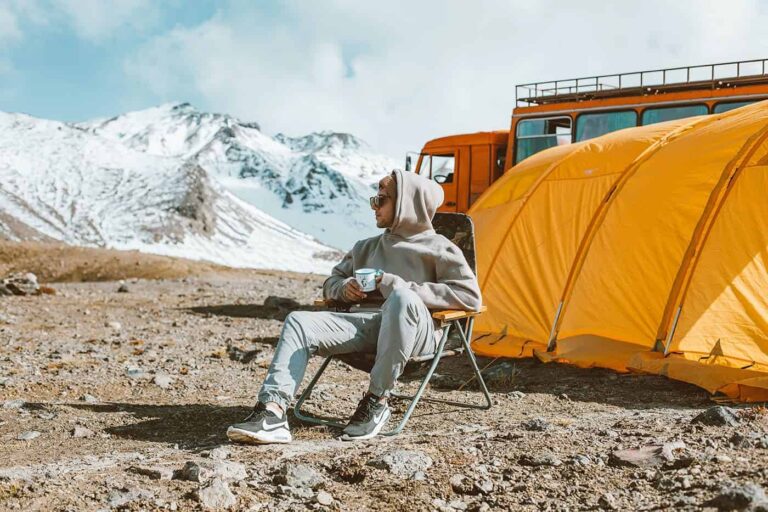
There’s something undeniably magical about a roaring campfire beneath a starry sky. The crackling wood, the glow of embers, the smell of smoke — it’s a primal experience that connects us with nature and history. But while campfires create warmth, comfort, and community, they also demand respect and responsibility.
Every year, careless fires cause thousands of wildfires across the globe, destroying forests, wildlife habitats, and even homes. That’s why understanding how to start a campfire safely is more than just an outdoor skill — it’s a duty every camper should master.
This comprehensive beginner’s guide will walk you through everything you need to know — from gathering the right materials to extinguishing your fire the right way. Whether you’re camping deep in the woods or relaxing in your backyard, you’ll learn how to build, maintain, and manage a safe campfire that keeps you warm and your environment protected.
- Best Trekking Poles Under $100: Top Budget Picks for Serious Hikers12 min read
- Choosing the Right Lanterns for Outdoor Survival: Essential Tips, Proven Insights, and 7 Must-Know Factors12 min read
- Outdoor Cooking Made Easy: How Mess Kits Simplify Life in the Wild9 min read
- How to Set Up a Camp in Under 15 Minutes: A best Beginner’s Guide6 min read
- Top 5 Long-Range Walkie Talkies for Outdoor Adventures11 min read
Understanding the Basics of Fire Safety
The Science of Fire: The Fire Triangle
Fire depends on three elements — fuel, heat, and oxygen. Remove one, and the flame dies out.
- Fuel: Anything burnable, such as wood, paper, or leaves.
- Heat: Your ignition source — match, lighter, or spark.
- Oxygen: The air that feeds your flame.
This is known as the Fire Triangle, and maintaining a balance between these three elements determines how efficiently your fire burns.
Common Campfire Mistakes Beginners Make
Many first-time campers underestimate fire safety. Here are common mistakes to avoid:
- Using wet or green wood — it produces smoke, not fire.
- Building fires too close to tents, dry brush, or gear.
- Igniting fires during windy conditions.
- Leaving fires unattended or assuming they’ll burn out naturally.
- Not having extinguishing materials ready (like water or sand).
Avoiding these simple errors can prevent accidents and ensure a safe, enjoyable experience.
Essential Tools and Materials for Starting a Campfire
Starting a campfire doesn’t require fancy equipment, but having the right tools makes the job easier and safer.
Fire Starters: Matches, Lighters, and Ferro Rods
Choose at least two reliable fire-starting methods:
- Waterproof Matches: Inexpensive and reliable even in damp weather.
- Butane Lighters: Portable and refillable.
- Ferrocerium (Ferro) Rods: Produce sparks in any condition — a must for survivalists.
- Firestarter Cubes or Gels: Great for beginners needing an instant flame.
Tinder, Kindling, and Firewood: The Building Blocks of Fire
To make your fire grow effectively, use materials in stages:
| Type | Description | Examples |
| Tinder | Catches flame easily and burns quickly | Dry leaves, paper, lint, cotton balls, birch bark |
| Kindling | Small sticks that help transfer heat to logs | Twigs, pencil-sized branches, wood shavings |
| Firewood | Large logs that maintain long-lasting flames | Oak, hickory, maple, pine (dry only) |
Pro Tip : Use seasoned hardwood for longer, steadier burns and less smoke.
Optional Gear for Safer and Easier Fires
- Metal bucket or shovel for ash removal
- Fireproof gloves
- Fire ring or stones to contain flames
- Camping hatchet for cutting kindling
Choosing the Perfect Campfire Location
Legal and Environmental Considerations
Before you strike a match, ensure campfires are allowed in your area. Many regions impose fire bans during dry seasons. Always follow park regulations and camp only in designated fire rings.
Clearing and Preparing the Fire Pit
A safe fire starts with the right setup:
- Choose a flat, open area away from tents, trees, and dry grass.
- Clear a 10-foot radius of flammable materials.
- Dig a shallow pit (about one foot deep).
- Surround the pit with rocks or a fire ring for stability.
This preparation prevents sparks and embers from escaping into nearby brush.
Step-by-Step Guide: How to Start a Campfire
Step 1: Gather All Materials
Preparation is key. Collect all your tinder, kindling, and logs before lighting anything. Searching for materials mid-fire is risky and inefficient.
Step 2: Build the Base (Tinder and Kindling)
Place a generous pile of dry tinder in the center of your fire pit. Surround it with kindling in a cone or crisscross pattern, leaving enough gaps for airflow.
Step 3: Construct Your Fire Structure
Depending on your goal (heat, light, or cooking), choose the structure that suits you best:
- Teepee Fire: Ideal for beginners; burns fast and bright.
- Log Cabin Fire: Stable, long-lasting, and excellent for cooking.
- Lean-To Fire: Works best in windy conditions.
- Platform (Upside-Down) Fire: Burns slowly from top to bottom — perfect for long nights.
Step 4: Light the Fire
Light your tinder gently from the bottom edge, allowing flames to rise through the kindling. Use a match, lighter, or ferro rod.
Blow lightly at the base to supply oxygen — not too hard, or you’ll snuff it out.
Step 5: Maintain the Fire
Once the kindling is burning well, add larger logs gradually. Stack them loosely to maintain airflow and avoid smothering the flame.
Different Types of Campfire Structures Explained
The Teepee Fire
Shape your kindling into a cone around your tinder. As the tinder ignites, flames rise and catch the sticks above. This method is fast and ideal for warmth or boiling water.
The Log Cabin Fire
Lay two logs parallel to each other, then two more across the top like a small cabin. Place tinder and kindling in the middle. This structure produces steady heat for cooking.
The Lean-To Fire
Lay a large log as a windbreak, then lean kindling against it with tinder underneath. Excellent for breezy environments.
The Platform Fire (Upside-Down Fire)
Stack large logs horizontally, medium logs above, then kindling on top. Once lit, the fire burns downward, giving you hours of steady heat without constant feeding.
Fire Safety Tips Every Camper Should Know
Keep a Water Source Nearby
Always have a bucket of water, dirt, or sand ready to extinguish your fire at any time. Accidents happen fast, and quick access to water is critical.
Control Sparks and Embers
Avoid burning light materials like pine needles or cardboard that produce flying embers. Keep your fire small and manageable.
Never Leave a Fire Unattended
Even glowing embers can reignite flames. Always supervise your campfire until it’s fully extinguished.
Mind the Wind
Strong winds can blow sparks into dry grass or tents. If the wind picks up, reduce your fire’s size or extinguish it.
How to Extinguish a Campfire Properly
Step 1: Douse the Flames
Pour water slowly over the entire fire, including embers and ashes. Listen for the hissing sound — it means the fire is cooling.
Step 2: Stir the Ashes
Use a stick or shovel to stir the ashes, ensuring no hot spots remain. Add more water as needed until everything is cold.
Step 3: Check for Heat
Place your hand a few inches above the ashes. If you still feel warmth, keep adding water.
Remember the golden rule: If it’s too hot to touch, it’s too hot to leave.
Step 4: Follow Leave No Trace Principles
Scatter cool ashes and restore the area to its natural state. Leave no sign of your campfire behind.
Common Campfire Problems (and How to Fix Them)
Fire Won’t Start?
- Your tinder may be damp — use dry materials.
- Stack wood loosely for better airflow.
- Shield the flame from the wind.
Fire Burning Too Fast or Smoky?
- Too much oxygen or dry wood makes it burn too quickly.
- Wet wood or too little oxygen creates smoke.
- Adjust by repositioning logs and maintaining a steady structure.
Keeping Your Fire Going in Wind or Rain
- Use a lean-to setup for wind protection.
- Bring waterproof tinder or cotton balls coated in petroleum jelly.
- In rain, elevate the fire base using stones or metal grates.
Cooking Over a Campfire: Do’s and Don’ts
Choosing the Right Cookware
- Use cast iron pans or grill grates built for open flames.
- Avoid nonstick or plastic-coated cookware.
Safe Cooking Practices
- Keep your cookware at least 3–4 inches above flames.
- Never cook directly over roaring flames — use embers for even heat.
- Always use long-handled utensils to avoid burns.
- Dispose of food scraps properly to avoid attracting wildlife.
Campfire Etiquette and Environmental Responsibility
Respecting Campsite Rules
- Use designated fire rings when available.
- Avoid cutting live trees for firewood.
- Don’t burn trash — it releases toxins and damages ecosystems.
Protecting Wildlife and Nature
- Never leave food or scented items near your campfire.
- Keep noise minimal — fires are for relaxation, not disruption.
- Always leave your campsite cleaner than you found it.