Camping has evolved tremendously over the last decade. In 2025, outdoor enthusiasts no longer rely on gas generators or disposable batteries to power their adventures. Instead, the best solar power solutions for camping in 2025 are taking center stage, offering clean, renewable, and efficient energy options.
As awareness of environmental sustainability grows, campers are turning to solar technology for everything from lighting tents to charging smartphones and running mini-fridges. Whether you’re embarking on a weekend getaway or a week-long off-grid expedition, a reliable solar setup ensures you stay connected and comfortable — all while respecting nature.
Understanding Solar Power for Camping
How Solar Panels Work in Camping Scenarios
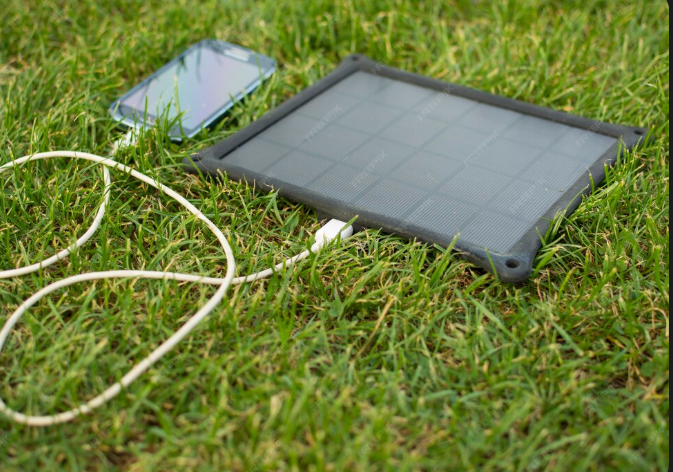
Solar power solutions harness energy from the sun using photovoltaic (PV) cells, which convert sunlight into electricity. This electricity is stored in portable batteries or power stations that can later be used to charge devices or run appliances. Unlike traditional generators, solar setups are silent, maintenance-free, and emission-free — perfect for eco-conscious travelers.
Types of Solar Power Solutions for Campers
Campers have a wide range of solar options depending on their power needs:
- Portable Solar Panels: Lightweight and ideal for charging small electronics.
- Solar Generators: Combine solar panels and battery storage, suitable for powering appliances.
- Foldable Solar Kits: Easy to transport and set up at any campsite.
- Solar Power Banks: Compact and ideal for solo campers or hikers.
Top 10 Best Solar Power Solutions for Camping in 2025
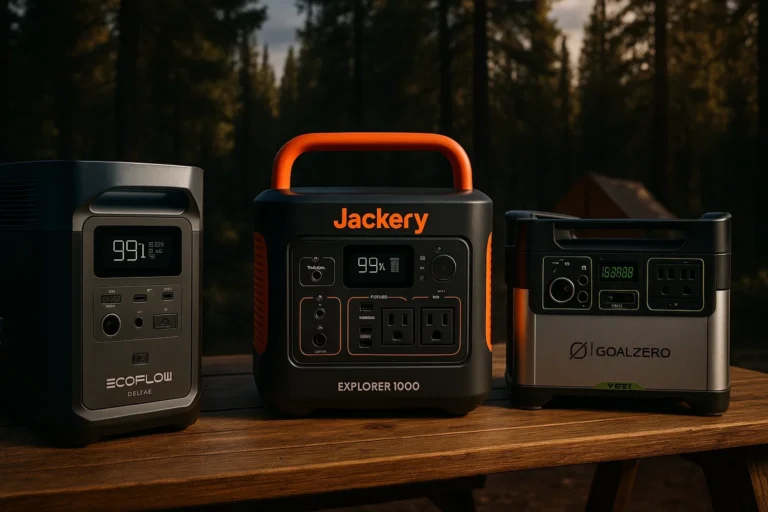
1. Jackery Explorer 1000 Plus Solar Generator
- Battery Capacity: 1264Wh
- Output Power: 1000W continuous / 2000W surge
- Charging Time: ~1.8 hours with dual 100W panels
- Key Features: Lightweight design, smart display, multiple AC/DC/USB ports
- Best For: Campers who need to run mini-fridges, lights, and phones simultaneously
- Pros: Fast solar charging, quiet operation, long battery life
- Cons: Slightly higher price compared to smaller units
2. EcoFlow Delta 2 Portable Power Station
- Battery Type: Advanced LiFePO4 with 3000+ charge cycles
- Capacity: 1024Wh (expandable)
- Charging Options: Solar, AC wall, and car outlet
- Special Features: X-Stream fast charging, smartphone app control
- Best For: Long outdoor stays and overland campers
- Pros: Ultra-fast recharge, durable battery chemistry
- Cons: Slightly heavier than similar models
3. Bluetti AC180 Solar Power Station
- Capacity: 1152Wh with 1800W AC output
- Recharging Speed: 0–80% in under 45 minutes (via AC)
- Special Features: App control, pure sine wave inverter, multiple port types
- Best For: Extended adventures or group camping trips
- Pros: Smart inverter tech, multiple safety protections
- Cons: On the pricier side for casual campers
4. Goal Zero Yeti 500X Portable Solar Kit
- Battery Capacity: 505Wh
- Charging Options: Solar, USB-C PD, and 12V car port
- Design: Compact, rugged, and built to handle outdoor elements
- Best For: Weekend camping and emergency use
- Pros: Easy to carry, durable build, reliable performance
- Cons: Limited power for large appliances
5. Renogy 200W Foldable Solar Panel Kit
- Power Output: 200W maximum
- Features: Foldable, waterproof, and corrosion-resistant panels
- Compatibility: Works with most 12V batteries and power stations
- Best For: Budget-conscious campers and RV travelers
- Pros: Affordable, efficient, and weatherproof
- Cons: Doesn’t include built-in battery storage
6. Anker PowerHouse 767 Solar Generator
- Battery Capacity: 2048Wh (expandable up to 4096Wh)
- Output Power: 2400W total
- Charging Time: 80% charge in about 1 hour (AC + Solar combined)
- Best For: Power-hungry campers, RV users, and long off-grid stays
- Pros: Premium build, expandable capacity, advanced cooling
- Cons: Bulky for lightweight travelers
7. ALLPOWERS S2000 Pro Solar Kit
- Capacity: 1500Wh with 2000W AC output
- Features: Fast solar recharging, multiple outlet ports, app control
- Design: Compact, portable, and easy to use
- Best For: Campers who need reliable power for multiple gadgets
- Pros: Quick recharge, solid construction, quiet operation
- Cons: Not suitable for heavy appliances
8. BioLite SolarHome 620+
- System Includes: Solar panel, control box, lights, and FM radio
- Battery Capacity: 20Wh built-in rechargeable battery
- Power Output: Enough for lighting, radio, and phone charging
- Best For: Off-grid campers, tents, and cabins
- Pros: Affordable, lightweight, easy to install
- Cons: Limited power for larger electronics
9. Rockpals 300W Portable Power Station
- Capacity: 280Wh lithium-ion battery
- Output Power: 300W continuous / 500W surge
- Features: LCD display, multiple charging ports, built-in flashlight
- Best For: Campers who need to power small electronics and LED lighting
- Pros: Budget-friendly, compact, and easy to carry
- Cons: Shorter battery lifespan than LiFePO4 units
10. Goal Zero Nomad 50 Solar Panel
- Power Output: 50W (foldable monocrystalline panel)
- Design: Lightweight, foldable, and weather-resistant
- Compatibility: Works with most Goal Zero and other portable stations
- Best For: Solo travelers and backpackers needing light, portable power
- Pros: Compact design, durable materials, easy setup
- Cons: Low wattage—not ideal for high-demand power use
How to Choose the Right Solar Power Solution for Your Camping Style
Selecting the best solar power solution for camping depends on several factors, including your travel style, power consumption, and budget. Whether you’re an off-grid adventurer or a casual weekend camper, understanding what matters most will help you make the right choice.
1. Power Output and Battery Capacity
- Evaluate your energy needs: Make a list of all the devices you plan to use — such as smartphones, laptops, mini-fridges, LED lanterns, and cameras.
- Match wattage requirements:
- For small gadgets (phones, cameras) — 100W to 300W systems are usually sufficient.
- For medium use (laptops, fans, lights) — opt for 500W to 1000W systems.
- For heavy-duty needs (fridges, cooking appliances) — go for 1000W+ solar generators.
- Battery capacity matters: A higher watt-hour (Wh) rating means longer run time. Look for lithium or LiFePO4 batteries for better lifespan and stability.
2. Portability and Weight
- For backpacking or hiking trips: Choose compact, foldable solar panels or lightweight power banks (under 10 lbs).
- For car camping or RV travel: A larger power station with detachable panels offers more energy without compromising mobility.
- Tip: Check if the kit comes with a carrying handle or foldable design — this makes transport and setup much easier.
3. Charging Speed and Compatibility
- Quick charging saves time: Look for systems with MPPT (Maximum Power Point Tracking) controllers, which maximize solar charging efficiency even under cloudy skies.
- Versatile outputs: Choose kits with a mix of USB-A, USB-C, AC, and DC ports to charge multiple devices simultaneously.
- Multi-source charging: Models that support AC wall outlets, car chargers, and solar input give you flexibility in unpredictable weather.
4. Durability and Weather Resistance
- Outdoor-ready build: Your solar kit should withstand dust, rain, and rough handling. Look for IP65 or higher waterproof ratings.
- Reinforced materials: ETFE-coated panels are more durable and resist UV damage better than PET alternatives.
- Temperature tolerance: Choose systems that can operate efficiently in both hot and cold conditions, ensuring consistent performance all year round.
Benefits of Using Solar Power While Camping in 2025
Switching to solar power for your outdoor trips isn’t just about convenience — it’s about sustainability, cost savings, and independence.
1. Eco-Friendly Energy
- Solar power reduces reliance on fossil fuels and eliminates harmful emissions.
- Perfect for environmentally conscious campers looking to minimize their carbon footprint.
2. Silent Operation
- No loud generator noise disturbing your peace or wildlife around you.
- Ideal for quiet camping zones and nature reserves.
3. Cost-Effective Power
- While the initial investment may seem high, solar kits pay for themselves over time by removing the need for fuel or replacement batteries.
- Minimal maintenance and no recurring fuel costs mean long-term savings.
4. Ultimate Convenience
- Solar kits are easy to set up — unfold, plug in, and charge.
- Lightweight and portable designs make them perfect for spontaneous trips.
- With built-in smart features and fast-charging technology, they offer a plug-and-play experience for all types of campers.
Common Mistakes Campers Make with Solar Power
Even the best solar setups can underperform if not used correctly. Many campers unknowingly make simple mistakes that reduce charging efficiency, shorten battery life, or limit performance. Avoid these common pitfalls to get the most out of your solar power solutions for camping.
1. Underestimating Power Requirements
- Many campers buy solar kits that are too small for their actual power needs.
- Always calculate your total daily energy consumption before purchasing.
- Example: Charging a phone (10W), a laptop (60W), and a mini-fridge (100W) for several hours can quickly exceed a 300W system’s capacity.
- Tip: Choose a power station that offers at least 20–30% more capacity than you think you need.
2. Ignoring Sunlight Conditions
- Solar panels only perform optimally under direct sunlight.
- Setting them in shaded or partially covered areas drastically reduces energy output.
- Tip: Reposition your panels every few hours to follow the sun’s path and maximize charging efficiency.
3. Using Incorrect Panel Angles
- Flat or misaligned panels capture less sunlight, especially during early morning or late afternoon.
- Tip: Angle your panels roughly 30–45 degrees toward the sun for the best performance. Adjustable kickstands make this easy.
4. Overloading the Power Station
- Plugging in too many devices at once can overload circuits and shorten battery life.
- Tip: Check your system’s maximum wattage output before connecting multiple devices. Use high-watt appliances one at a time if possible.
5. Not Pre-Charging Before the Trip
- Many campers forget to fully charge their battery or generator at home before heading out.
- Relying solely on solar charging can be risky in unpredictable weather.
- Tip: Always pre-charge via wall or car outlets before your trip, ensuring full backup power from the start.
6. Skipping Regular Maintenance
- Dust, dirt, or water spots on panels block sunlight and reduce charging speed.
- Tip: Clean panels regularly with a soft cloth and mild water. Avoid abrasive cleaners that can damage the surface coating.
7. Using Incompatible Cables or Connectors
- Not all solar panels and power stations use the same connectors or voltage.
- Using mismatched cables can prevent charging or even damage components.
- Tip: Always check voltage ratings and connector types (MC4, DC5521, etc.) before connecting different brands.
8. Storing Batteries Improperly
- Extreme temperatures can degrade battery performance and shorten lifespan.
- Tip: Store your power station in a cool, dry place and avoid leaving it under direct sunlight or freezing conditions when not in use.
9. Forgetting Backup Charging Options
- Depending only on sunlight may leave you powerless during cloudy days or in shaded campsites.
- Tip: Choose a system that supports multi-source charging (solar, AC, and car). Always carry an extra cable for emergency charging.
10. Not Understanding Power Efficiency
- Every device consumes power differently — running a fan all night isn’t the same as charging a phone.
- Tip: Prioritize essential devices and turn off power-hungry appliances when not in use. Use energy-efficient lights and low-wattage electronics.
Avoiding these simple yet common mistakes ensures your solar setup runs at peak performance throughout your camping adventure. With proper care, positioning, and planning, solar power can offer limitless, clean, and reliable energy wherever your journey takes you.
FAQs About Best Solar Power Solutions for Camping in 2025
Conclusion:
As 2025 ushers in more sustainable technology, the best solar power solutions for camping offer a blend of innovation, reliability, and eco-consciousness. Whether you’re exploring national parks or remote trails, solar power ensures you stay energized, connected, and guilt-free.