When venturing into the wilderness, light is far more than a simple convenience—it is a lifeline. Darkness limits visibility, increases risk, and amplifies stress, especially in unfamiliar terrain. Choosing the Right Lantern for Outdoor Survival can mean the difference between staying calm and organized or facing dangerous confusion once the sun sets.
A dependable lantern provides steady, wide-area illumination that allows you to remain productive and alert after dark. Whether you are setting up camp, cooking a meal, or responding to an emergency, reliable lighting supports safety, confidence, and peace of mind in outdoor environments.
A quality survival lantern helps you:
- Maintain situational awareness – Clear lighting allows you to see hazards, tools, and movement around your camp.
- Perform essential tasks safely – Cooking, gear repair, and shelter setup become far safer with consistent light.
- Reduce stress and fatigue – A well-lit space creates a sense of control and comfort, even in challenging conditions.
Why Lanterns Outperform Flashlights and Headlamps
Unlike flashlights or headlamps, lanterns are designed to illuminate an entire area rather than a single focused beam. This makes them especially valuable in campsites, shelters, and group settings where multiple people need light at the same time.
Lanterns provide softer, more evenly distributed illumination, reducing harsh shadows and eye strain. They also allow for hands-free use without needing to wear equipment on your head or constantly aim a beam.
Lanterns are ideal because they:
- Offer wide-area lighting for campsites, tents, and shelters
- Support group activities, such as cooking or planning
- Create a more comfortable environment compared to narrow beams
Understanding Why a Reliable Lantern Matters in Survival Situations
In survival conditions, light is not just about visibility—it directly affects decision-making and safety. Poor lighting increases the chance of accidents, missed details, and slow responses during critical moments.
A reliable lantern ensures consistent performance when conditions are unpredictable, allowing you to focus on survival priorities rather than equipment limitations.
Proper lighting helps prevent:
- Trips and falls caused by uneven ground or obstacles
- Injuries from tools or sharp objects used in low visibility
- Unexpected wildlife encounters that go unnoticed in darkness
The Role of Light in Safety, Navigation, and Morale
Adequate lighting plays a major role in maintaining both physical safety and mental stability outdoors. A lantern allows you to move confidently within your campsite and complete tasks without rushing or guessing.
Just as importantly, light has a psychological benefit. Darkness can increase anxiety and fear, especially during storms or isolation. A steady, warm glow helps establish a sense of normalcy and calm.
A dependable lantern supports morale by:
- Reducing fear and uncertainty in unfamiliar environments
- Creating a sense of routine and structure after dark
- Helping you stay focused and composed during long or difficult nights
Common Outdoor Scenarios Where Lanterns Are Essential
Lanterns become especially valuable in situations where extended or shared lighting is needed. Their hands-free design and long runtime make them a core component of outdoor and emergency preparedness.
Lanterns are essential for:
- Overnight camping and backpacking trips where campsites must be lit for hours
- Emergency shelters during storms or power outages
- Group campsites that require shared illumination
- Survival situations involving extended darkness or limited movement
In each of these scenarios, a lantern provides reliable, hands-free lighting that supports multiple people at once while conserving energy and reducing risk.
Types of Lanterns Used for Outdoor Survival
Understanding the different types of lanterns is the first step toward making a smart and practical choice. Each type offers unique advantages and limitations depending on how and where it is used.
Battery-Powered Lanterns
Battery-powered lanterns are among the most commonly used options for outdoor activities. They typically rely on disposable batteries such as AA or D cells, making them easy to replace in most locations.
These lanterns are simple, lightweight, and widely available, making them a popular choice for casual campers and emergency kits.
Because of these limitations, battery-powered lanterns are best suited for short-term outings or as backup light sources rather than primary survival tools.
Rechargeable Lanterns
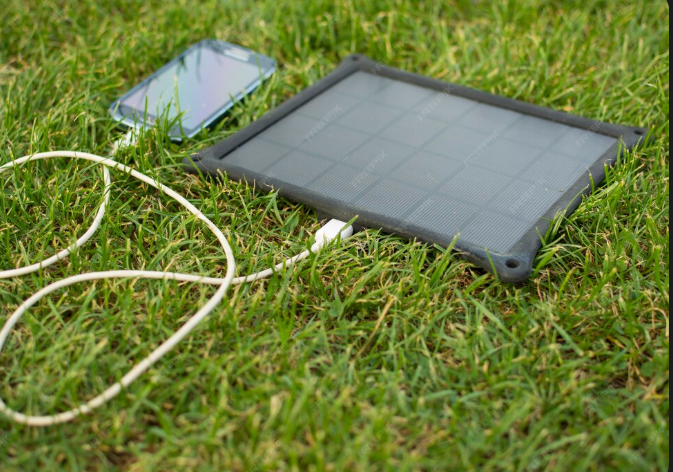
Rechargeable lanterns use built-in lithium-ion batteries and can be recharged through USB ports or solar panels. They are increasingly popular due to their efficiency and long-term cost savings.
These lanterns are ideal for preparedness kits and longer outdoor stays where reducing waste and conserving resources are priorities.
Solar and USB charging options offer:
When paired with power banks or portable solar chargers, rechargeable lanterns become a highly reliable survival option.
Fuel-Based Lanterns
Fuel-based lanterns use combustible fuels such as propane, white gas, or kerosene. These lanterns are known for producing powerful light output and performing well in harsh conditions.
They are commonly used in base camps, cold environments, and situations where brightness and runtime are top priorities.
For these reasons, fuel lanterns are best suited for vehicle-supported trips or stationary camps rather than lightweight backpacking.
Hand-Crank and Emergency Lanterns
Hand-crank lanterns generate power through manual effort, making them a dependable option when batteries and fuel are unavailable. These lanterns are commonly included in emergency kits because they function independently of external power sources, which is critical during disasters or long-term outages.
In survival scenarios where resupply is uncertain, hand-crank lanterns offer peace of mind. As long as you can provide physical effort, you can produce light—making them a reliable fallback option rather than a primary lighting source.
Key Factors to Consider When Selecting a Survival Lantern
Choosing a lantern is not about selecting the brightest model on the shelf. The right choice balances brightness, efficiency, durability, and ease of use while matching your specific environment and survival needs.
A lantern that performs well on paper may fail in real-world conditions if it drains power too quickly, breaks easily, or is difficult to operate under stress. Understanding the core selection factors helps ensure dependable performance when it matters most.
Brightness and Lumens Explained
Brightness is measured in lumens, but more lumens do not always equal better performance. Excessive brightness can drain power rapidly and create unnecessary glare in close-range environments.
General lumen guidelines for survival use:
- 100–300 lumens – Sufficient for personal campsites and small shelters
- 300–600 lumens – Ideal for group camps, cooking areas, and shared spaces
- Over 600 lumens – Often excessive and may reduce runtime significantly
Best practice:
- Choose lanterns with adjustable brightness settings to balance visibility and power conservation.
Battery Life and Power Efficiency
Battery life is one of the most critical survival considerations. A lantern that lasts several nights on low mode is often more valuable than one that burns brightly for only a few hours.
Efficient lanterns allow you to conserve power while still maintaining usable light throughout extended trips or emergencies.
Look for lanterns that offer:
- Multiple brightness levels to extend runtime
- Energy-efficient LED technology for consistent output
- Clear battery or power indicators to avoid unexpected shutdowns
Durability, Water Resistance, and Build Quality
Outdoor environments are unpredictable. A survival lantern must withstand drops, moisture, dust, and temperature fluctuations without failing.
Poor build quality can result in cracked housings, water intrusion, or electrical failure—problems that are especially dangerous in survival conditions.
High-quality survival lanterns typically feature:
- Impact-resistant housings to survive falls and rough handling
- IPX-rated water resistance for rain and wet environments
- Sealed battery compartments to prevent corrosion and short circuits
These features ensure reliable performance even in harsh and changing conditions.
Weight, Size, and Packability
For backpackers and minimalist survival kits, weight and size are critical considerations. Heavy or bulky lanterns can quickly become a burden during long hikes.
In contrast, vehicle-based camping or emergency storage allows for larger and heavier models with higher output and longer runtime.
Best options by use case:
- Backpacking: Compact, collapsible, or inflatable lanterns
- Car camping or emergency kits: Larger lanterns with higher brightness and longer runtime
Ease of Use in Emergency Conditions
In high-stress situations, complex equipment becomes a liability. A survival lantern should be intuitive and easy to operate, even with limited visibility or dexterity.
A user-friendly lantern should:
- Turn on with a single button or switch
- Be operable while wearing gloves
- Have simple, intuitive controls
Avoid lanterns with complicated menus or settings that slow you down when time is critical.
Lantern Brightness Modes and Beam Patterns
Different lighting modes allow you to adapt your lantern to changing needs, from active tasks to energy conservation.
Floodlight vs Area Lighting
Lanterns are designed to provide wide-area illumination rather than narrow beams. This makes them ideal for shared and stationary activities.
Area lighting is especially useful for:
- Cooking and food preparation
- Socializing or planning
- Setting up shelters or gear
Wide, even light distribution reduces harsh shadows, improves visibility, and minimizes eye strain.
Red Light and Low-Light Modes
Some lanterns include red-light or ultra-low modes, which are valuable in specific survival scenarios.
These modes are useful for:
- Preserving night vision
- Reading maps or instruments
- Observing wildlife without disturbance
Low-light modes also significantly extend battery life during prolonged use.
Environmental and Weather Considerations
Your environment directly affects how well a lantern performs. Temperature, moisture, and debris all influence reliability and efficiency.
Cold Weather Performance
Cold temperatures can dramatically reduce battery efficiency, particularly in alkaline batteries. Some power sources perform better than others in freezing conditions.
Best cold-weather options include:
- Fuel-based lanterns
- Lithium-ion battery lanterns
These maintain more consistent output compared to standard disposable batteries.
Rain, Wind, and Dust Resistance
Outdoor lanterns should be designed to handle rain, wind, and dust exposure. Weather-resistant construction significantly reduces the risk of failure during storms or prolonged outdoor use.
Safety Features You Should Never Ignore
Safety should always be a top priority when selecting and using outdoor lighting equipment. Improper lantern use can lead to burns, fires, or carbon monoxide exposure.
Fire Risks and Ventilation
Fuel-based lanterns must always be used with proper ventilation. They should never be operated inside tents, enclosed shelters, or poorly ventilated spaces.
Important safety practices include:
- Using fuel lanterns outdoors only
- Keeping them away from flammable materials
- Allowing adequate airflow at all times
Choosing the right lantern—and using it safely—ensures light remains a tool for survival, not a source of danger.
Child and Wildlife Safety
Safety extends beyond the user to everyone—and everything—around the campsite. Lanterns should be designed to minimize burn risks, tipping hazards, and unintended attention from wildlife. This is especially important in family camping situations or areas where animals are active at night.
LED lanterns are the safest option in most outdoor settings. They produce minimal heat, eliminate open flames, and offer stable lighting that reduces the risk of accidents involving children or pets.
Key safety considerations include:
- Cool-to-the-touch surfaces – Prevents burns if the lantern is handled or bumped.
- Stable, tip-resistant bases – Reduces the risk of lanterns falling on uneven ground.
- No open flame – Lowers fire risk and minimizes attraction of insects and wildlife.
By choosing safer lantern designs, you reduce hazards while creating a more secure campsite environment.
Maintenance, Storage, and Longevity
A lantern is only as reliable as the care it receives. Even the best survival lantern can fail prematurely if neglected or stored improperly. Regular maintenance ensures your lantern works when you need it most.
Proper storage also protects internal components from corrosion, battery leakage, and environmental damage, extending the overall lifespan of the device.
Proper Cleaning and Storage Practices
After each outdoor trip, taking a few minutes to clean and store your lantern properly can prevent long-term damage and performance issues.
Essential post-trip maintenance steps include:
- Cleaning off dirt, dust, and moisture – Prevents buildup that can damage seals and switches.
- Removing batteries for long-term storage – Reduces the risk of leakage and corrosion.
- Storing in a cool, dry place – Protects electronics from heat and humidity damage.
These simple habits help ensure consistent performance over time.
Spare Parts and Long-Term Reliability
For survival preparedness, reliability over years—not just trips—matters most. Lanterns from reputable manufacturers are more likely to offer replacement parts, service support, or warranties.
When evaluating long-term reliability, look for:
- Availability of replacement components such as batteries, mantles, or seals
- Manufacturer warranties or guarantees
- Proven durability and customer trust
Investing in a well-supported lantern increases confidence during extended or emergency use.
Comparing Lanterns with Headlamps and Flashlights
Each lighting tool serves a specific purpose, and no single option replaces the others entirely. Understanding when to use a lantern instead of a flashlight or headlamp improves efficiency and comfort.
Lanterns are best used as stationary light sources, while headlamps and flashlights excel in mobility-focused tasks.
When a Lantern Is the Better Choice
Lanterns shine in situations where shared, consistent lighting is required over long periods. Their hands-free design and wide illumination make them ideal for camps and shelters.
Lanterns excel when:
- Lighting a shared space such as a campsite or shelter
- Providing long-duration illumination without constant adjustment
- Reducing hand and neck fatigue compared to handheld or wearable lights
Rather than replacing other tools, lanterns complement headlamps and flashlights to create a well-rounded survival lighting setup.
Frequently Asked Questions (FAQs)
Conclusion
Choosing the Right Lantern for Outdoor Survival is a decision that deserves careful thought. A well-chosen lantern provides more than light—it delivers safety, confidence, and comfort when conditions are uncertain. By understanding lantern types, power options, brightness levels, and environmental considerations, you can select a dependable tool that supports you in any outdoor or emergency situation.
Investing in the right lantern today ensures that when darkness falls, you are prepared, protected, and in control.