When chaos strikes, there’s no time to think. Whether it’s a wildfire, hurricane, earthquake, or sudden evacuation, being prepared can make all the difference. That’s where a Bug-Out Bag comes in — your portable survival kit designed to help you and your family stay alive, safe, and comfortable for at least 72 hours.
A Bug-Out Bag isn’t just a backpack filled with random items; it’s a lifeline in a crisis. It contains the essentials you need to escape danger, sustain yourself, and reach safety without panic. In this guide, we’ll walk through everything you need to know — from what to pack and how to pack it to expert tips that make your Bug-Out Bag lighter, smarter, and more efficient than any others you’ll find online.
- Best Trekking Poles Under $100: Top Budget Picks for Serious Hikers12 min read
- Outdoor Cooking Made Easy: How Mess Kits Simplify Life in the Wild9 min read
- How to Set Up a Camp in Under 15 Minutes: A best Beginner’s Guide6 min read
- Top 5 Long-Range Walkie Talkies for Outdoor Adventures11 min read
What Exactly Is a Bug-Out Bag?
A Bug-Out Bag (often called a Go Bag or 72-hour kit) is a pre-packed emergency survival backpack designed to support you during short-term evacuations. The idea comes from military terminology — “bugging out” means leaving quickly when danger arises.
The main goal of your Bug-Out Bag is self-sufficiency for 3 days — long enough to move from a dangerous area to a safer location, or until help arrives. It’s about being ready for anything — whether you’re escaping a flood, power outage, or civil emergency.
Every Bug-Out Bag should include six major categories of gear:
- Water & Hydration
- Food & Nutrition
- Shelter & Warmth
- First Aid & Hygiene
- Tools & Communication
- Personal Items & Documents
If you have these covered, you’re ready for almost any situation.
Choosing the Right Bug-Out Bag
Before you start packing, you need a reliable backpack that can handle stress, weight, and weather. The bag itself is just as important as what goes inside.
1. Capacity and Fit
A Bug-Out Bag should hold between 40–60 liters. Anything smaller will be too cramped; anything larger may be too heavy to carry long distances. Make sure it fits comfortably on your back with padded straps, a hip belt, and chest clip.
2. Durability
Opt for military-grade nylon or Cordura. Water resistance is a must. Look for double stitching, sturdy zippers, and reinforced seams — these are the small details that make or break your bag in the field.
3. Organization
Choose a bag with multiple compartments for better organization. Keep critical items like flashlights or a knife in easy-to-reach pockets. MOLLE webbing systems are excellent for attaching pouches and tools.
Water: Your Top Survival Priority
You can survive three days without water — but dehydration can set in within hours. That’s why hydration is priority number one when building your Bug-Out Bag.
Water Essentials
1L–2L water bottle or hydration bladder
Portable water filter (e.g., Sawyer Mini, LifeStraw)
Water purification tablets
Metal canteen (for boiling water)
Collapsible bottle (for backup storage)
Water Tips
- Store at least one liter in your bag before leaving.
- Plan your bug-out route to include known water sources.
- Learn to identify natural water sources and purify them safely.
Pro Tip: Don’t rely on one purification method. Always carry at least two ways to make water safe to drink.
Food: Fuel for Energy and Focus
When you’re stressed, hungry, and on the move, food becomes more than calories — it’s comfort and clarity. Pack lightweight, high-energy foods that require little or no cooking.
Best Bug-Out Bag Food
- Freeze-dried meals – lightweight and long shelf life.
- Energy bars and protein bars – compact and calorie-rich.
- Trail mix, nuts, jerky – nutrient-dense and non-perishable.
- Instant soups, oatmeal, noodles – just add water.
- Peanut butter or nut butter packs – excellent source of fat and protein.
Food Packing Tips
- Keep meals in resealable or vacuum-sealed bags.
- Rotate stock every 6–12 months.
- Pack a lightweight cooking pot and spork.
Shelter and Warmth: Your Barrier Against Nature
In survival, exposure kills faster than hunger. Having proper shelter and warmth gear prevents hypothermia, exhaustion, and heat loss.
Shelter Gear to Include
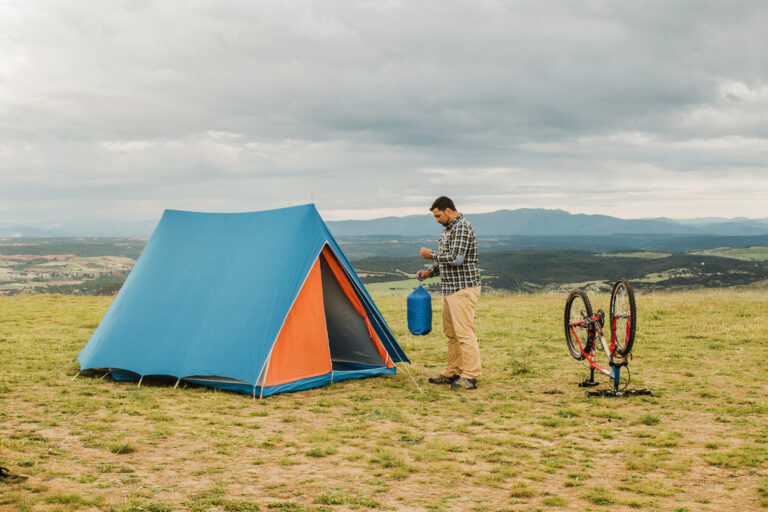
- Tarp or lightweight tent
- Emergency bivvy or space blanket
- Sleeping bag (cold-weather rated)
- Sleeping pad or foam mat
- Paracord (50–100 feet) for setup
Fire-Making Supplies
- Waterproof lighter
- Ferro rod or magnesium striker
- Waterproof matches
- Cotton balls dipped in petroleum jelly (tinder)
Pro Tip: Practice building fires before you ever need to rely on them. In a real crisis, experience is worth more than any tool.
Clothing: Dress Smart, Stay Alive
Clothing can make the difference between comfort and disaster. Your goal is to stay dry, warm, and mobile.
The Layering System
- Base Layer: Wicks moisture (synthetic or merino wool).
- Mid Layer: Insulates body heat (fleece or wool).
- Outer Layer: Blocks wind and rain (waterproof jacket or poncho).
Essential Clothing Checklist
- 2 moisture-wicking shirts
- 2 pairs of quick-dry pants
- 3 pairs of socks
- 1 fleece or down jacket
- 1 poncho or raincoat
- Gloves, beanie, and bandana
- Sturdy waterproof boots
Avoid cotton — it soaks up water and can lead to hypothermia.
First Aid: Treating Injuries on the Go
A first aid kit is non-negotiable. Even a small cut can become dangerous if untreated.
Basic First Aid Kit Contents
- Adhesive bandages and sterile gauze pads
- Antiseptic wipes and antibiotic cream
- Tweezers, scissors, safety pins
- Medical tape and elastic bandage
- Pain relievers (ibuprofen, acetaminophen)
- Antihistamines (for allergies)
- Burn cream and blister care
- Tourniquet (for severe bleeding)
- Personal medications and prescriptions
Pro Tip: Keep first aid supplies in a waterproof pouch. Label each item clearly and check expiration dates every 6 months.
Hygiene: Health Is Survival
Staying clean keeps infections, disease, and morale in check. Hygiene items don’t take up much space, but they make a huge difference.
Hygiene Essentials
- Hand sanitizer or soap sheets
- Toothbrush and small toothpaste
- Wet wipes or biodegradable tissues
- Toilet paper (in waterproof bag)
- Feminine hygiene products
- Small towel and comb
Pro Tip: Hygiene also includes waste management. Carry sealable bags for trash and used items. A clean camp is a safe camp.
Tools and Multi-Use Gear: Your Portable Toolbox
When it comes to survival, a good multi-tool can solve 90% of problems. Focus on versatile tools that offer maximum functionality with minimal weight.
Essential Tools
- Multi-tool (Leatherman, Gerber, etc.)
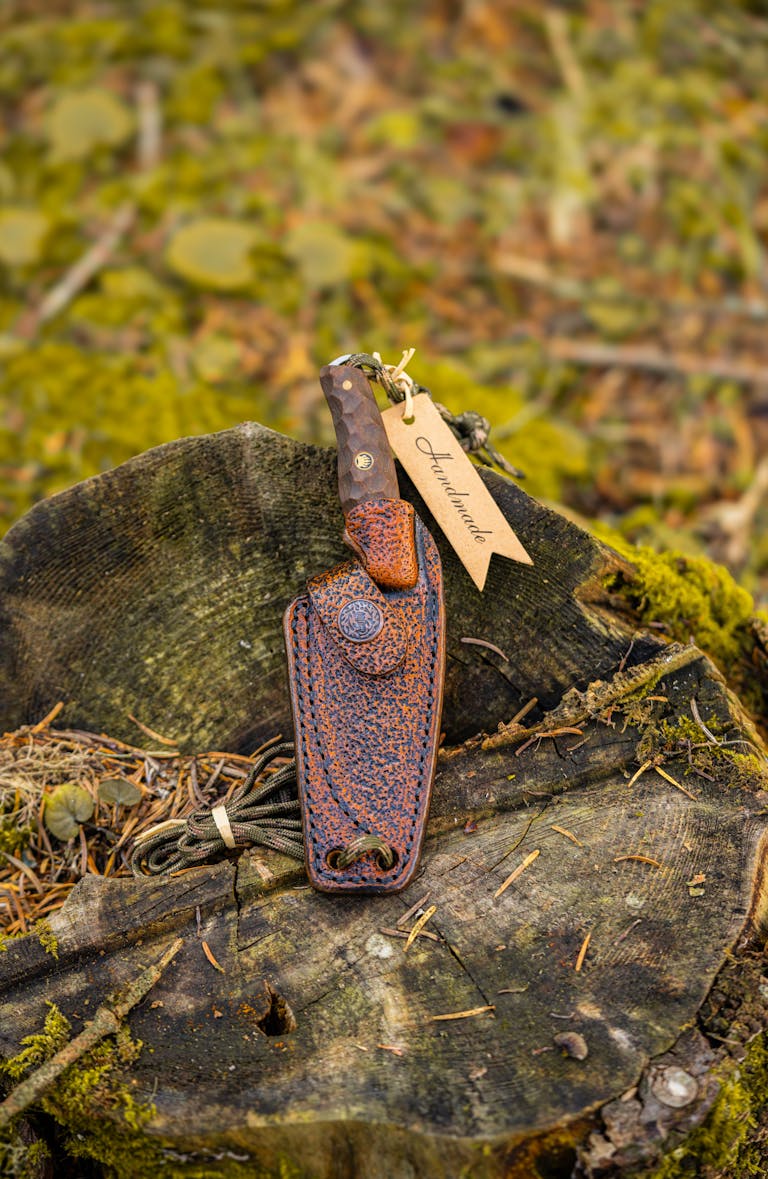
- Fixed-blade survival knife
- Duct tape (wrapped around bottle)
- Paracord
- Mini shovel or trowel
- Small hatchet or folding saw
- Sewing kit and safety pins
Pro Tip: Know how to use each tool. The best gear in the world won’t save you if you don’t practice with it.
Light, Power, and Communication
You can’t rely on streetlights or phone towers in an emergency. Lighting and communication are critical for navigation and safety.
Lighting Gear
- Headlamp (hands-free is key)
- Small flashlight with spare batteries
- Glow sticks for signaling
Power & Communication Tools
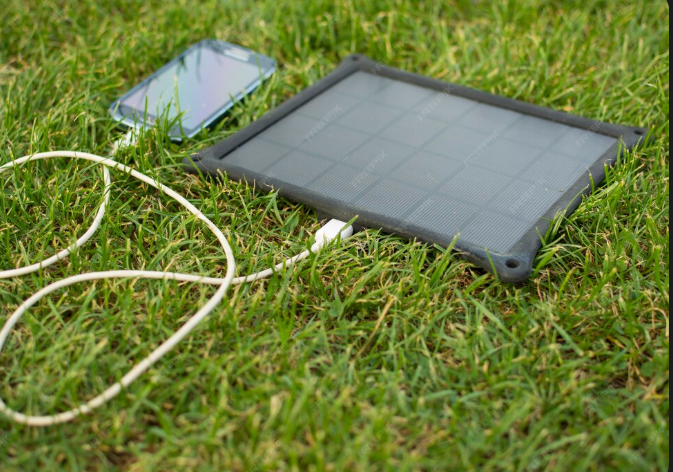
- Solar or hand-crank charger
- Power bank
- Battery-powered or crank radio (NOAA alert capable)
- Backup cell phone with SIM card
- Whistle (for attracting attention)
Pro Tip: Store all electronics in a zip-lock or waterproof pouch to prevent moisture damage.
Navigation and Self-Defense
Navigation Tools
- Compass
- Waterproof map of your area
- GPS device (optional, but handy)
- Notebook and pencil for directions or notes
Self-Defense and Protection
- Pepper spray or bear spray
- Tactical knife or collapsible baton
- Dust mask or respirator (for poor air quality)
- Emergency whistle for signaling danger
Remember — self-defense is about protection, not aggression. Stay calm, stay alert, and avoid conflict whenever possible.
Documents, Cash, and Personal Items
Keep important items safe and dry. You may need these to prove your identity or access services once the crisis settles.
Essential Items
- Copies of ID, passport, and insurance documents
- Emergency contacts list
- Local maps and evacuation routes
- Cash in small bills
- Spare keys (house, car, storage)
Pro Tip: Store documents in a waterproof folder or zip-lock bag. Keep one set in your Bug-Out Bag and another with a trusted friend.
Packing Strategy: Balance, Weight, and Readiness
You’ve got your gear — now comes the art of packing it.
Packing Order
- Bottom layer: Sleeping gear, clothing.
- Middle layer: Food, cookware, and bulkier supplies.
- Top layer: First aid, maps, and quick-access items.
- External pockets: Tools, flashlight, and hydration gear.
Balance Tips
- Heaviest items should sit close to your spine for balance.
- Distribute weight evenly between left and right sides.
- Don’t overpack — mobility is more valuable than gear hoarding.
Pro Tip: Aim for a total weight under 20–25% of your body weight.
Bug-Out Bag Maintenance and Rotation
Your Bug-Out Bag isn’t something you pack once and forget. Check it every 3–6 months. Replace expired food, test electronics, and wash clothing. Keep it in a cool, dry place that’s easy to grab in an emergency.
Label your bag with your name and contact info — and if you have family, assign one Bug-Out Bag per person, adjusted for their needs (kids, pets, or elderly relatives).
The Mindset: Skills Over Stuff
Even the best Bug-Out Bag won’t help without the right mindset and skills. Take time to learn:
- How to purify water
- How to start a fire in rain
- How to navigate without GPS
- Basic first aid and CPR
- How to stay calm under pressure
Preparation isn’t fear — it’s confidence. The goal is peace of mind, not paranoia.
Final Bug-Out Bag Checklist
| Category | Essential Items |
| Water | Filter, purification tablets, bottles, metal canteen |
| Food | Freeze-dried meals, bars, trail mix, utensils |
| Shelter | Tent/tarp, sleeping bag, bivvy, fire-starting tools |
| Clothing | Layered clothes, rain gear, boots, gloves |
| First Aid | Bandages, meds, wipes, ointments |
| Hygiene | Toothbrush, sanitizer, wipes, tissues |
| Tools | Multi-tool, knife, paracord, duct tape |
| Light & Power | Flashlight, radio, batteries, charger |
| Navigation | Compass, maps, whistle |
| Personal Items | Documents, cash, keys, notebook |
Conclusion
Building a Bug-Out Bag isn’t about preparing for the end of the world — it’s about being responsible, ready, and resilient. Emergencies happen without warning, but your preparation ensures you can face them calmly and confidently.
Every item in your Bug-Out Bag tells a story — of foresight, protection, and survival. So don’t wait for “someday.” Start building your Bug-Out Bag today. Because when things go wrong, it’s not the gear that saves you — it’s the prepared version of you who packed it.