When venturing into the wild, your survival backpack isn’t just storage it’s your lifeline. Whether you’re prepping for emergencies, hiking remote trails, or planning a bug-out scenario, choosing the right backpack can make or break your experience.
A well-chosen survival pack helps you stay organized, move efficiently, and withstand harsh conditions. With so many designs on the market, knowing what to look for can feel overwhelming but don’t worry. In this guide from GearForGrits, we’ll walk you through everything you need to know to choose a survival backpack that matches your mission, terrain, and lifestyle.
Understanding What Makes a Backpack “Survival-Ready”
When your safety depends on what you carry, your backpack isn’t just a container—it’s the foundation of your survival strategy. A true survival backpack is built with self-sufficiency, endurance, and adaptability in mind. It must endure harsh environments, carry essential supplies, and remain comfortable even under heavy loads.
Unlike an ordinary hiking or school pack, a survival backpack must balance strength, organization, and modularity. It’s designed to help you store, access, and protect your essentials—water, food, shelter tools, fire-starting gear, first aid kits, and navigation items—under demanding conditions. In survival scenarios, failure isn’t an option, and neither is flimsy gear To understand what makes a pack “survival-ready,” let’s break down the critical features every outdoor enthusiast or prepper should look for.
Durability and Material Composition
Durability is the single most important characteristic of any survival pack. The last thing you want is a torn strap or ripped seam miles away from safety.
High-performance materials like Cordura nylon, ripstop fabric, and ballistic nylon dominate the market for good reason—they resist tears, abrasions, and harsh weather.
Here’s a quick breakdown of the most common materials:
| Material Type | Key Benefit | Best For |
|---|---|---|
| 500D Nylon | Lightweight yet durable; good balance for shorter missions | Bug-out or short-term trips |
| 1000D Cordura Nylon | Extremely tough, abrasion-resistant, and long-lasting | Long-term survival or tactical use |
| Ripstop Nylon | Reinforced with interwoven threads to prevent tears | Wet or rough terrain adventures |
| Ballistic Nylon | Heavy-duty protection and rigidity | Military or law enforcement-grade packs |
In addition to fabric quality, look for double or triple stitching, bar-tacked stress points, and reinforced zippers—especially YKK or SBS zippers, known for reliability under pressure.
Many top-tier brands also use military-grade webbing or Kevlar reinforcement for extra durability. Cordura, for instance, is a favorite among professionals and survival instructors due to its superior strength-to-weight ratio. It resists scuffing and abrasion, making it ideal for those who regularly navigate rocky or wooded environments.
Water Resistance and Weatherproofing
Weather can change in minutes, and a soaked backpack can mean the difference between safety and struggle. That’s why water resistance is essential in any survival backpack.
Backpacks equipped with DWR (Durable Water Repellent) coatings shed light rain effectively. For full waterproofing, many high-end models include polyurethane coatings or laminated liners that prevent moisture from seeping in.
Other protective features include:
- Roll-top closures: Seal out rain and snow better than standard zippers.
- Seam sealing: Ensures water can’t enter through stitching holes.
- Integrated or detachable rain covers: Provide quick weatherproofing without extra gear.
If you’re operating in tropical, coastal, or high-rainfall regions, a fully waterproof dry bag-style pack might be worth considering. For colder climates, ensure the material maintains flexibility—some cheaper waterproof coatings can stiffen or crack in freezing temperatures.
Pro tip: Store essential items like fire starters, documents, and electronics inside dry bags or waterproof pouches inside your backpack for layered protection.
Capacity and Size: Matching Your Pack to Your Mission
When choosing a survival backpack, size directly influences mobility, endurance, and efficiency. It’s tempting to go big, but a larger pack can become a burden if overpacked. The key is to match the pack’s capacity to your specific mission and physical ability.
One-Day Bug-Out vs. Multi-Day Expeditions
Choosing the right volume ensures you can carry what’s essential—no more, no less.
- 24–35 liters: Ideal for a bug-out bag (BOB) or single-day missions. Compact, lightweight, and easy to move through tight spaces. This size fits basic gear like food rations, hydration, fire tools, and medical supplies.
- 40–55 liters: Suited for 72-hour survival missions or weekend adventures. Offers enough room for shelter equipment, extra clothing, and redundant survival tools.
- 60+ liters: Best for long-term survival or expedition-level preparedness. You can fit tents, cooking systems, extra food, and specialized tools. However, it requires strong shoulders, good fitness, and thoughtful packing.
Example:
If you’re bugging out due to a short-term weather event or emergency evacuation, a 35-liter tactical pack like the 5.11 Rush 24 is ideal. But for a weeklong wilderness expedition, a 65-liter internal-frame pack such as the Osprey Aether AG gives you the carrying capacity and comfort you’ll need.
Balancing Weight and Functionality
A survival backpack must strike the right balance between load-bearing capability and mobility. Too much weight can slow you down, sap energy, and increase the risk of injury. On the other hand, a pack that’s too light or lacks structure can’t carry your essentials safely.
Here’s how to maintain optimal balance:
- Prioritize Essentials: Only pack what’s vital—food, water, first aid, shelter, and navigation tools.
- Distribute Weight Smartly: Heavy items (like water or tools) should sit close to your back and centered for stability.
- Use Compression Straps: They help minimize bulk and prevent shifting during movement.
- Choose a Supportive Frame: Internal frames improve weight distribution for long-distance travel.
- Evaluate Load Limits: Most mid-sized survival packs are designed to handle 30–50 pounds comfortably; anything above requires advanced suspension systems.
Remember, mobility is survival. A nimble hiker can cover more ground, find shelter faster, and react better in emergencies than someone overloaded with gear. Choose a backpack that helps you stay light, organized, and ready to move.
Comfort and Fit: The Backbone of Survival
In a survival situation, comfort is not a luxury—it’s a survival factor. A poorly fitted backpack can cause shoulder strain, sore hips, or even injuries that slow you down when every minute counts. The right pack should feel like a natural extension of your body, moving seamlessly with you across rugged terrain.
Backpack comfort depends on three critical design elements: the frame type, the suspension system, and fit adjustments. Together, these determine how effectively the load is transferred from your shoulders to your hips and spine.
Suspension Systems and Load Distribution
The suspension system is the core of a backpack’s comfort and stability. It includes the frame, shoulder straps, hip belt, and back panel—all designed to manage how weight interacts with your body.
Here’s how the main frame types differ:
| Frame Type | Advantages | Best For |
|---|---|---|
| Internal Frame | Closer fit, better stability, improved balance, streamlined profile | Dense forests, narrow trails, off-road hiking |
| External Frame | Superior ventilation, easy gear attachment, better for bulky loads | Open terrain, hunting, or long expeditions |
| Frameless Pack | Ultra-lightweight and flexible, but less support | Minimalist hikers, short missions |
Internal frames are the go-to choice for survivalists moving through uneven terrain or dense woodland—they keep the load close to your body, improving agility.
External frames, on the other hand, offer excellent airflow and modularity, allowing you to lash gear like sleeping pads, tents, or game meat to the outside.
Some advanced models feature hybrid frames that combine internal support with external lashing points, providing the best of both worlds.
Load distribution is equally vital. A well-engineered suspension system ensures the heaviest gear sits near your spine and hips, minimizing shoulder strain. Look for packs with adjustable load lifters, padded lumbar support, and ventilated mesh back panels—especially for long-distance travel in hot climates.
Adjustable Straps and Hip Belts
If you’re serious about survival readiness, don’t underestimate the role of straps and belts.
The hip belt is the workhorse—it should carry 60–70% of your pack’s weight, transferring the load from your shoulders to your stronger hip muscles. A thick, padded, and adjustable hip belt prevents chafing and keeps the pack centered.
Your shoulder straps should contour naturally to your body without digging into your neck. Look for ergonomic S-shaped straps and breathable mesh padding for maximum comfort.
Additional components to consider:
- Load lifter straps: Keep the top of your pack close to your back, reducing sway on rough ground.
- Sternum strap: Prevents shoulder straps from sliding out and improves balance.
- Torso adjustment system: Found in many high-end packs, it lets you tailor the fit precisely to your height and build.
Pro Tip: Always test your pack while loaded. Walk, crouch, and climb to ensure the weight stays stable and the straps don’t pinch or loosen during motion. A properly adjusted pack feels like a part of your body—not a burden.
Organization and Accessibility
When you’re in the field, every second matters. Whether you’re reaching for a flashlight during a night hike or grabbing your first aid kit after a scrape, your gear must be organized and accessible without unpacking everything.
A survival-ready backpack isn’t just about volume—it’s about smart compartmentalization and modular adaptability.
MOLLE Webbing and Attachment Points
The MOLLE (Modular Lightweight Load-carrying Equipment) system is a tactical design standard used by the military and outdoor professionals alike. It consists of nylon webbing rows stitched onto the exterior of your pack, allowing you to attach custom pouches, tools, and accessories.
This system transforms a basic pack into a mission-specific loadout. You can attach:
- First aid pouches
- Knife sheaths or multitools
- Grenade- or magazine-style pouches (repurposed for flares, paracord, or fire kits)
- Radio or GPS holders
For survivalists, MOLLE webbing means rapid access, expandability, and versatility—you can tailor your gear to the situation instead of carrying unnecessary bulk.
Pockets, Zippers, and Quick-Access Sections
A good survival pack offers a balance between compartmentalization and simplicity. Too few pockets, and your gear becomes jumbled; too many, and you’ll waste time searching.
Key features to look for:
- Top-loading and front-panel access: Ideal for retrieving buried gear without unpacking everything.
- Heavy-duty zippers: Prefer YKK or SBS zippers for reliability in cold or muddy conditions.
- Quick-access compartments: For essentials like navigation tools, flashlights, and snacks.
- Mesh or side pockets: For water bottles or wet gear that needs to dry.
Some modern designs feature tear-away medical pouches or drop-down tool panels, which allow you to deploy gear instantly in emergencies—a feature that can make a critical difference.
Essential Survival Gear to Pack
A top-quality survival backpack is only as effective as what you pack inside it. The goal isn’t to carry everything—it’s to carry what matters most.
Hydration Systems
Water is your most critical resource. A good survival pack should support multiple hydration options.
- Hydration bladders (2L–3L): Provide hands-free drinking with a hose routed through the shoulder straps—perfect for long hikes or tactical movement.
- External bottle holders: Allow you to carry hard bottles or metal canteens that can double as boiling containers.
If possible, use both. The bladder covers your immediate needs, while bottles serve as backup storage and purification tools.
Tip: Choose packs with insulated sleeves or hose covers to prevent freezing in cold weather.
Fire, Shelter, and First Aid Essentials
Even the most durable backpack can’t help you if you don’t pack survival essentials wisely.
- Fire: Ferro rods, waterproof matches, and compact lighters.
- Shelter: Lightweight tarp, bivvy sack, or emergency space blanket.
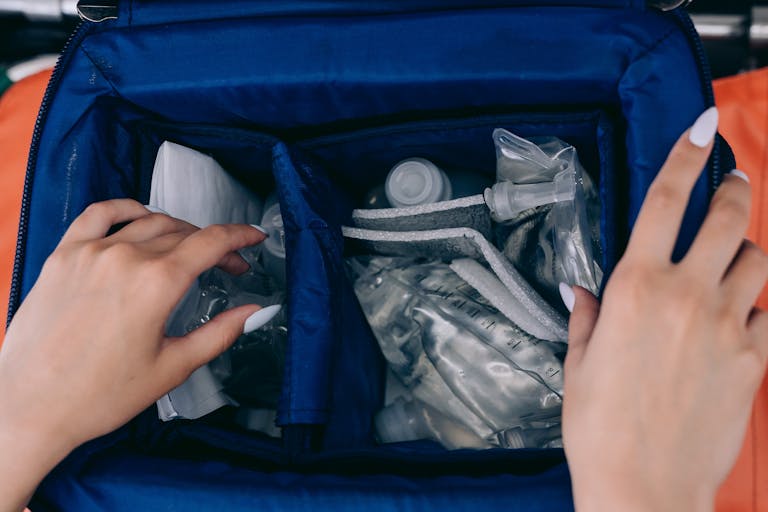
- First Aid: Compact kit with trauma supplies, antiseptic, and pain relief.
- Navigation: Compass, map, and backup GPS unit.
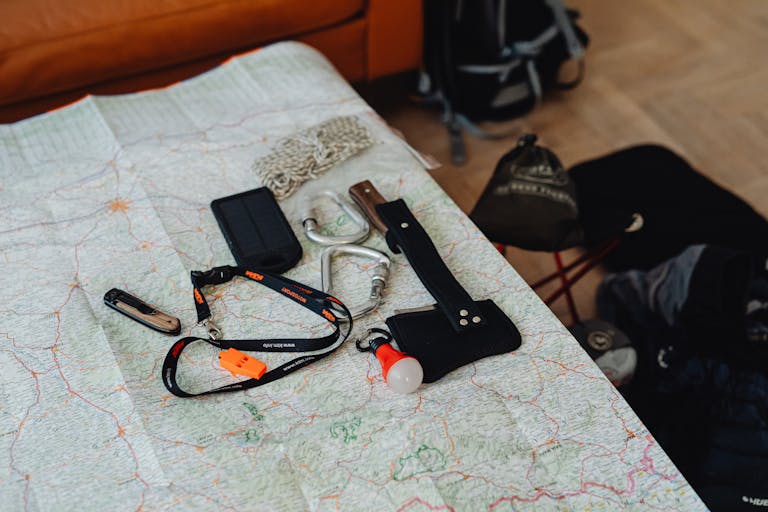
- Tools: Multitool, knife, paracord, duct tape, and carabiners.
Pack items in waterproof pouches and group them by category (e.g., medical, food, fire). This system ensures fast retrieval and reduces stress in emergencies.
Durability Testing and Field Performance
Even the best-reviewed pack is just theory until you’ve tested it in the field. Every survivalist should perform a field readiness check before relying on a new backpack.
Here’s a simple GearForGrits-approved durability test:
- Load the pack with your real survival gear (at least 80% of your intended weight).
- Hike for 2–4 hours across different terrain.
- Listen for stitch strain, check for zipper friction, and note pressure points on your back or hips.
- Adjust straps and retest until it feels balanced.
Top-tier survival packs are designed to endure years of abuse, not just weekend trips. Always test before you trust—it’s the GearForGrits way.
Top Recommended Survival Backpack Brands (2025)
Based on real-world testing and community feedback, here are GearForGrits’ top-rated survival backpacks for 2025:
- 5.11 Tactical Rush Series – Built like a tank with customizable MOLLE webbing, weather resistance, and excellent compartment organization.
- Osprey Aether AG 70 – Combines luxury comfort with rugged durability; perfect for long treks or extended survival missions.
- Mystery Ranch 3-Day Assault Pack – Military-grade performance with top-tier load management and durability.
- Kelty Redwing Tactical 50 – Budget-friendly, ergonomic design, and versatile enough for both hiking and bug-out use.
- Direct Action Dragon Egg MK II – Compact, highly modular, and perfect for urban or short-term survivalists.
Each of these models excels in fit, modularity, and long-term reliability, making them favorites among experienced outdoor enthusiasts and professional survival trainers.
Common Mistakes When Choosing a Survival Backpack
Choosing the right survival backpack is one of the most critical decisions any outdoor adventurer or prepper can make. Yet, even seasoned outdoorsmen fall into common traps that can turn a well-planned expedition into a test of endurance—or worse, a survival failure.
Here are the most frequent mistakes people make when selecting their survival pack, along with expert insights from the GearForGrits team to help you avoid them.
1. Buying Based on Looks, Not Function
This is by far the most common—and costly—mistake. Many people choose a backpack because it “looks tactical” or features a trendy camo pattern, but visual appeal means little in the wild.
A survival backpack must perform under pressure. Focus on functional design, material quality, and ergonomic support rather than flashy colors or brand hype.
Ask yourself:
- Can it carry my survival essentials comfortably for long periods?
- Is it made from durable, weather-resistant fabric?
- Does it offer MOLLE webbing or customizable attachment points?
Remember, your backpack isn’t a fashion statement—it’s a tool for survival. The best-looking pack is useless if it tears on day two of a trip.
2. Ignoring Fit and Comfort
Even a premium backpack becomes a burden if it doesn’t fit properly. A poor fit leads to back pain, shoulder fatigue, blisters, and restricted movement—issues that can seriously compromise your performance in a survival scenario.
Before buying, measure your torso length and ensure the pack’s suspension system matches your body type. Adjustable shoulder straps, hip belts, and load lifters are essential for proper weight distribution.
At GearForGrits, we recommend trying on your pack fully loaded. Walk, squat, and climb a few stairs to test for hotspots or imbalance. A properly fitted backpack should feel stable and secure, moving as one with your body.
3. Overpacking Unnecessary Gear
It’s easy to fall into the “just in case” mindset, especially when preparing for survival situations. However, overpacking kills efficiency. The more gear you carry, the more energy you burn—and in a crisis, every calorie counts.
Stick to the 80/20 rule: 80% of your backpack’s space should be filled with proven essentials you’ll actually use. The other 20% can accommodate situational tools like signaling mirrors or spare cordage.
Avoid redundancies—do you really need three flashlights or five cutting tools? Prioritize multi-purpose gear, like a multitool or paracord bracelet, to save weight without sacrificing functionality.
A lean, well-balanced pack enhances agility and endurance—two qualities that often mean the difference between survival and struggle.
4. Skipping Waterproof Protection
Many beginners assume their survival backpack is waterproof because it feels heavy-duty. Unfortunately, most packs are only water-resistant, not waterproof.
In survival situations, water damage can destroy vital supplies—maps, fire-starting materials, food, or first-aid kits. Always use DWR-coated packs, and supplement with rain covers, dry bags, or zip-lock pouches for sensitive gear.
If you live or hike in humid or wet climates, consider upgrading to a roll-top backpack or one with integrated waterproof lining. A soaked pack isn’t just inconvenient—it can add five to ten extra pounds of absorbed water weight.
5. Not Testing Before Field Use
Even the best backpack can fail if it hasn’t been tested under real-world conditions. Too often, new owners unpack their gear for the first time in the field, only to find that straps loosen, zippers jam, or load balance feels awkward.
Before relying on your survival backpack, field test it thoroughly:
- Load it with your full survival setup (water, tools, clothing, etc.).
- Go on a day hike or overnight camp.
- Evaluate comfort, access speed, and balance.
- Make adjustments before your next trip.
Testing also helps you learn your gear’s “muscle memory”—you’ll instinctively know where each item is, saving precious seconds during emergencies.
6. Neglecting Modular Expansion or Future Needs
A survival pack isn’t a one-time investment—it should grow with your experience and mission scope. Some beginners buy small, fixed-layout packs that can’t be expanded or reconfigured later.
Look for MOLLE-compatible designs, detachable compartments, or compression straps that let you add or remove gear as needed. This flexibility ensures your pack remains relevant as your skills, environment, and survival loadout evolve.
7. Forgetting Weight Distribution Principles
A common rookie mistake is packing heavy items too far from your body, causing imbalance and back strain. The correct technique is to pack heavy gear near your spine, centered between your shoulder blades and hips.
This keeps your center of gravity stable, improving endurance and maneuverability—especially when climbing, ducking under branches, or crossing rivers. Proper weight distribution can reduce fatigue and prevent injury during long missions.
8. Overlooking Ventilation and Heat Management
In hot or humid environments, poor ventilation can lead to sweat buildup, chafing, and overheating. Many low-end backpacks use flat foam panels that trap heat against your back.
Choose packs with mesh ventilation channels, airflow panels, or raised back systems that allow air circulation. Staying dry isn’t just about comfort—it’s also about preventing heat exhaustion and skin irritation, which can escalate into serious issues in the field.
9. Ignoring Access and Organization
Having the right gear doesn’t matter if you can’t access it quickly. A well-organized pack can save your life in emergencies where seconds count.
Look for designs with:
- Front-loading panels for quick access
- Color-coded compartments for different gear types
- External pouches for frequently used items (like fire-starting kits or multitools)
Avoid over-cluttered designs where zippers overlap or pockets hide inside one another—it slows you down and increases the risk of losing critical gear.
FAQs About Choosing a Survival Backpack
Conclusion: Finding the Perfect Pack for Your Adventure
Choosing a survival backpack isn’t just a purchase—it’s an investment in your readiness. The perfect pack combines durability, comfort, and organization to help you stay mobile and confident in any environment.At GearForGrits, we’ve tested and trusted the best options on the market so you can hit the trail—or the unknown—prepared for anything.