Setting up camp fast isn’t about sprinting around like you’re on a survival show—it’s about being smart, prepared, and relaxed. For beginners especially, time has a funny way of disappearing outdoors. One minute the sun is shining, and the next you’re fumbling with tent poles in the dark while mosquitoes throw a party.
After a long drive or hike, fatigue kicks in. Weather can change without warning. A quick set up a camp helps you beat all of that. When your shelter is up and your gear is organized early, you feel calmer, safer, and more in control. Instead of stressing, you can kick back, breathe in the fresh air, and actually enjoy why you came camping in the first place.
Common Mistakes That Slow Beginners Down
Most camping delays don’t come from bad luck—they come from small, avoidable mistakes. Beginners often lose precious daylight because they:
- Skip practicing their tent setup before the trip
- Overpack gear they don’t really need
- Scatter essentials across multiple bags, then play a frustrating game of “Where did I put that?”
These mistakes can turn excitement into irritation fast. Nothing kills the camping vibe like arguing with a tent manual while the sun sets. The good news? Every one of these issues is easy to fix with a little planning.
Benefits of a Quick Camp Setup
When your camp comes together smoothly, everything else feels better. A fast setup means:
- More time to relax, explore, or enjoy a campfire
- Better safety, since you’re settled before nightfall
- Less stress and confusion, especially for first-timers
Simply put, efficiency turns camping from a chore into an adventure. The sooner your camp is ready, the sooner the fun begins.
Essential Camping Gear You Must Prepare in Advance
Here’s the secret seasoned campers know: speed starts before you even leave home. Preparation is what makes a 15-minute setup possible.
The One-Bag Rule for Beginners
To avoid digging through five different bags, follow the one-bag rule. Pack all your core setup items—tent, sleeping gear, and lighting—into one main bag. When you arrive, you grab one bag and get to work. Simple, stress-free, and efficient.
Tent, Sleeping, and Cooking Essentials
Keep these items easy to reach and ready to go:
- Pop-up or color-coded tent (huge time-saver for beginners)
- Sleeping bag and sleeping pad
- Headlamp or flashlight (hands-free lighting is a game changer)
- Compact stove or ready-to-eat food
Choosing the Right Campsite Quickly
Even the best gear won’t help if you pick a bad spot. A smart campsite choice can save you time—and prevent a miserable night.
Ground, Wind, and Water Considerations
When scanning for a site, keep it simple. Look for:
- Flat, dry ground for sleeping comfort
- Natural wind barriers, like trees or rocks
- A safe distance from water (at least 200 feet to avoid flooding and bugs)
A good campsite works with nature, not against it.
Safety and Comfort Checklist
Just as important is knowing what to avoid. Stay clear of:
- Low areas that can flood if it rains
- Dead trees or hanging branches that could fall
- Animal trails, which are best left undisturbed
Choosing wisely from the start means you won’t have to tear everything down and move later—saving time, energy, and patience.
Step-by-Step: Setting Up Camp in Under 15 Minutes
This is the heart of How to Set Up a Camp in Under 15 Minutes: A Beginner’s Guide. Think of it like a simple, no-stress game plan. You’re not racing the clock—you’re following a smart system that keeps you calm, organized, and ahead of sunset.
Minute 0–3: Site Clearing and Orientation
The moment you arrive, resist the urge to wander around. Drop your main bag exactly where you plan to sleep and start here.
- Drop your bag to mark your tent spot
- Clear rocks, sticks, and pinecones—your back will thank you later
- Face the tent door away from the wind for warmth and comfort
Take a quick look up too. Avoid dead branches overhead. Three minutes of smart checking now saves hours of discomfort later.
Minute 4–8: Tent Setup
This is where practice pays off. A calm, confident setup beats rushing every time.
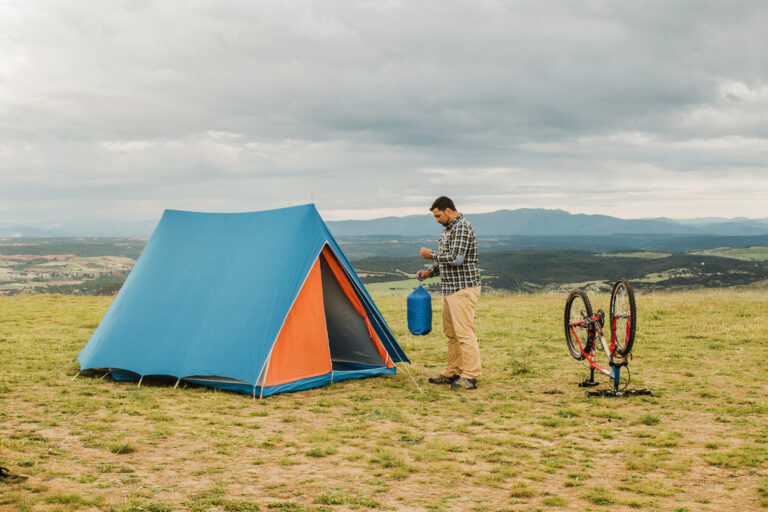
- Lay out the tent footprint or groundsheet
- Assemble tent poles (color-coded poles make this almost foolproof)
- Stake the corners loosely first, then tighten once everything is aligned
Pro tip: Don’t over-tighten right away. Adjusting later is much easier when the tent can still move slightly.
Minute 9–12: Sleeping Area Setup
Once your shelter is up, comfort comes next—and it’s fast.
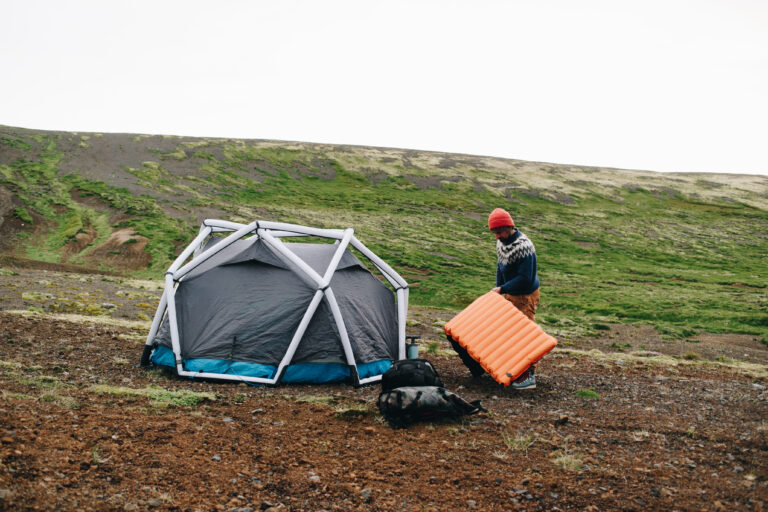
- Roll out your sleeping pad to insulate from cold ground
- Unroll your sleeping bag so it can loft properly
- Add a pillow or clothes sack for instant comfort
This simple setup transforms your tent from “nylon shell” to “cozy basecamp” in minutes.
Minute 13–15: Cooking and Lighting Setup
These final touches make your camp fully functional before nightfall.
- Place your headlamp or flashlight within reach
- Set up your stove or food container (even if you’re not cooking yet)
- Identify the bathroom area while it’s still light
Congratulations—you now have a complete, working camp and time left to relax.
Time-Saving Camping Hacks for Beginners
Little tricks can shave minutes off your setup—and save a lot of frustration.
Practice at Home Before You Go
This is the ultimate camping cheat code. Set up your tent once or twice at home or in your yard. That single practice session can cut your setup time in half and boost your confidence outdoors.
Other Helpful Hacks That Really Work
- Store tent stakes already attached to guy lines
- Pre-pack meals or snacks so you’re not digging around hungry
- Create a “night kit” with a headlamp, toothbrush, wipes, and toiletries
These habits support the system taught in How to Set Up a Camp in Under 15 Minutes: A Beginner’s Guide and keep stress levels low.
Beginner Safety Tips During a Fast Camp Setup
Speed is great—but safety always comes first.
Always remember to:
- Keep food sealed and secured to avoid wildlife visits
- Set up lighting before dark, even if you think you won’t need it
- Know exactly where your first-aid kit is at all times
Stay aware of your surroundings, especially in wildlife areas. A calm, alert camper is a safe camper.
Frequently Asked Questions (FAQs)
Conclusion
Camping doesn’t have to be complicated or time-consuming. With the right preparation, smart gear choices, and a clear plan, beginners can feel confident and comfortable almost immediately. By following this guide, you’ll spend less time struggling and more time enjoying nature—exactly how camping should be.