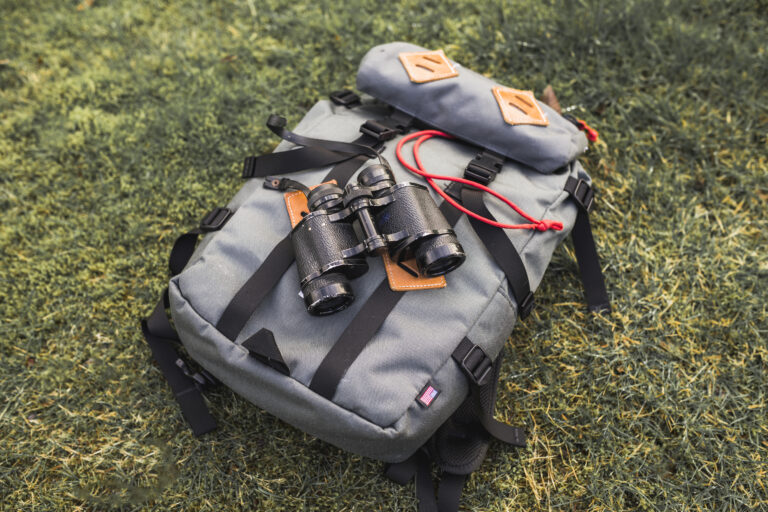
Camping is all about reconnecting with nature — escaping the noise of cities, unwinding by the campfire, and breathing in the crisp morning air. But even the most rugged campers can’t deny the modern need for electricity. Whether it’s keeping your phone charged, running a mini fridge, or powering your camera gear, a portable power station is now an essential piece of outdoor equipment.
Among the many brands on the market, Jackery and Goal Zero are the two titans that dominate conversations. Both promise reliable off-grid power, solar compatibility, and sleek designs. But when it comes down to Jackery vs Goal Zero, which one truly powers your adventure best?
In this guide, we’ll break down every detail — from battery technology and charging efficiency to build quality and long-term reliability — to help you decide which portable power station is right for your camping adventures.
What Is a Portable Power Station?
Before diving into brand comparisons, let’s get clear on what these devices actually do.
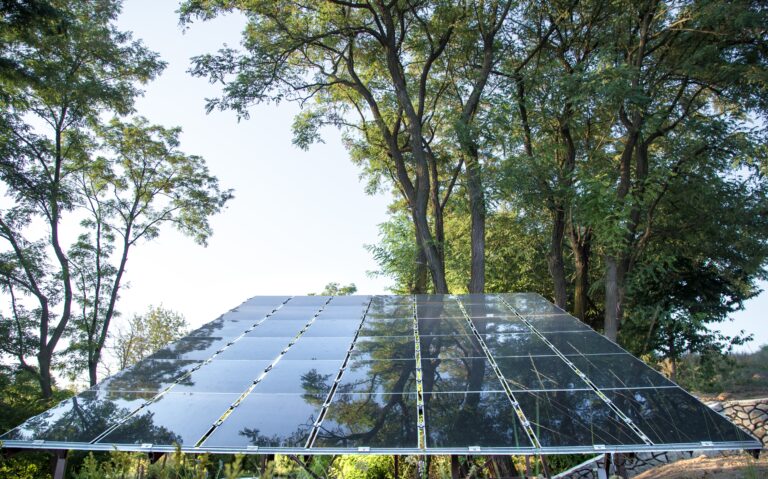
A portable power station is essentially a large battery pack designed to store and deliver power for electronic devices. Think of it as a silent generator that doesn’t need fuel or oil. You can recharge it via a wall outlet, a car’s 12V port, or — most importantly for campers — solar panels.
They come in a range of capacities, typically from 200Wh to over 3000Wh, meaning they can power small gadgets like smartphones or large appliances like electric coolers and CPAP machines.
The key benefits for campers are:
- Portability: Compact and lightweight.
- Silence: No loud engine noise.
- Eco-friendliness: Clean solar power options.
- Convenience: Multiple AC, DC, and USB outputs.
Jackery and Goal Zero both excel in these areas, but the way they deliver these features differs significantly.
Jackery: Power Simplified
Jackery was founded in California in 2012, making it a relatively young company in the energy tech field. Yet, it quickly became a favorite among campers and outdoor adventurers.
The brand’s vision is clear — to provide simple, reliable, and lightweight power solutions that anyone can use, whether you’re in the desert, deep in the woods, or at a festival.
Popular Jackery Models
- Jackery Explorer 240: Compact and great for short trips.
- Jackery Explorer 500: Mid-range model balancing portability and performance.
- Jackery Explorer 1000 / 1500 / 2000 Pro: High-capacity options designed for serious off-grid users.
Each model is designed with intuitive interfaces, durable handles, and bright LCD screens, making them user-friendly for campers with zero tech knowledge.
Jackery also integrates seamlessly with its SolarSaga panels, which are among the most efficient folding solar panels on the market.
Why Campers Love Jackery
Jackery power stations are known for being plug-and-play — no complicated settings or external hardware required. They are also lighter than most competitors, which is a big win if you’re backpacking or changing camp locations often.
Goal Zero: Built for Adventure and Sustainability
Founded in 2009 in Utah, Goal Zero started as a humanitarian project — providing portable energy solutions to people in remote areas of Africa. That humanitarian DNA still drives the company’s mission today: to make sustainable, renewable energy accessible anywhere.
Goal Zero’s products reflect a deep understanding of what it means to live off the grid. Their Yeti series has become synonymous with ruggedness and durability.
Popular Goal Zero Models
- Goal Zero Yeti 200X: Lightweight and compact for small needs.
- Goal Zero Yeti 500X / 1000X / 1500X / 3000X: Heavy-duty options designed for extended expeditions and RV living.
Goal Zero also produces solar panels (Boulder, Nomad, Ranger series), solar generators, and even lighting systems — making it a full ecosystem for off-grid living.
Why Campers Choose Goal Zero
Goal Zero focuses on modularity and expandability. Its Yetis can be chained with expansion batteries, controlled via a mobile app, and integrated with home backup systems. For campers who love to customize, Goal Zero is the power hub of dreams.
Jackery vs Goal Zero: Feature-by-Feature Comparison
Now that we’ve introduced both, let’s compare them side by side.
1. Design and Build Quality
Jackery:
- Sleek, orange-accented design.
- Compact form factor with rounded edges.
- Built with lightweight ABS plastic for portability.
Goal Zero:
- Industrial, rugged design built for harsh outdoor environments.
- Reinforced corners and metallic finishes.
- Slightly bulkier but more impact-resistant.
Verdict:
If you want something stylish and easy to carry, Jackery wins. But if you’re heading to rugged terrains or want something built like a tank, Goal Zero is the better bet.
2. Portability and Weight
Let’s look at the mid-range models:
- Jackery Explorer 1000: ~22 lbs (10 kg)
- Goal Zero Yeti 1000X: ~31.7 lbs (14.4 kg)
Jackery clearly wins in weight and portability, making it ideal for car campers and hikers who value every ounce. Goal Zero is heavier because of its metal housing and reinforced components.
3. Battery Capacity and Technology
Both brands use lithium-ion batteries, but Goal Zero is slowly transitioning to LiFePO4 (Lithium Iron Phosphate) in newer models, which offer longer lifespans (3500+ cycles) and better thermal stability.
Jackery’s batteries offer around 500-800 cycles, depending on usage, which is still solid for casual campers.
Verdict:
For battery longevity, Goal Zero’s LiFePO4 models have the edge. For lightweight efficiency, Jackery’s lithium-ion units perform better.
4. Charging Options and Solar Integration
Both brands can be charged via:
- AC wall socket
- 12V car outlet
- Solar panels
Jackery’s SolarSaga 100W / 200W panels are extremely efficient and foldable. They connect directly with Explorer units using built-in MC4 connectors.
Goal Zero’s Boulder and Nomad panels are more modular — meaning you can connect several together for higher wattage. However, they’re heavier and more rigid.
Verdict:
- For simplicity and quick setup: Jackery
- For customizability and expandability: Goal Zero
5. Output Power and Ports
Both brands provide multiple output options, including AC outlets, USB-A, USB-C, and 12V DC ports.
However, Goal Zero’s Yeti series typically includes more ports and higher surge capacities, allowing for multiple high-draw devices simultaneously.
Jackery’s models have fewer outlets but maintain consistent, reliable performance without overheating or power drops.
Verdict:
If you need to power many devices at once, Goal Zero wins. For basic camping needs, Jackery is perfect.
6. Charging Speed
Jackery’s newer Pro series supports dual charging (AC + Solar), slashing charging times to just 2–3 hours. Goal Zero’s Yeti X series averages around 4–6 hours under similar conditions.
This difference matters when you’re camping with limited sunlight or need a quick turnaround.
Verdict:
Jackery charges faster, making it more convenient for short trips.
7. User Interface and Smart Features
Jackery focuses on simplicity — one screen, one button, easy status display. It’s perfect for users who just want to plug and go.
Goal Zero integrates smart technology — the Yeti App allows Bluetooth or Wi-Fi monitoring, battery management, and firmware updates.
Verdict:
If you prefer tech integration, Goal Zero wins. If you want simplicity, Jackery is unbeatable.
8. Price and Value for Money
Let’s compare some models head-to-head:
| Model | Capacity (Wh) | Jackery Price | Goal Zero Price |
| 500 | 518Wh | $499 | $549 |
| 1000 | 1002Wh | $999 | $1,199 |
| 1500 | 1534Wh | $1,699 | $1,999 |
| 2000 / 1500X | 2000Wh+ | $1,999 | $1,999 |
Jackery typically offers better value for casual users, while Goal Zero’s higher cost is justified by premium features and durability.
Real-World Performance for Campers
Powering Common Camping Devices
| Device | Approx. Power (W) | Jackery Explorer 1000 Run Time | Goal Zero Yeti 1000X Run Time |
| LED Light | 10W | 80 hrs | 85 hrs |
| Mini Fridge | 60W | 13 hrs | 15 hrs |
| Laptop | 60W | 12 hrs | 13 hrs |
| CPAP Machine | 40W | 18 hrs | 19 hrs |
| Smartphone | 10W | 90+ charges | 95+ charges |
Both deliver solid performance, but Goal Zero tends to last slightly longer due to marginally higher efficiency.
Customer Reviews and Reliability
Thousands of verified reviews reveal the same trend:
- Jackery users praise its portability, speed, and plug-and-play nature.
- Goal Zero users highlight its ruggedness, expandability, and smart ecosystem.
Both brands score high in customer satisfaction, but Goal Zero tends to attract professionals — filmmakers, RV travelers, off-grid livers — while Jackery appeals to weekend campers and travelers.
Durability and Environmental Impact
Goal Zero has a clear advantage in sustainability. Their production processes are carbon neutral, and they partner with NGOs to provide clean energy globally.
Jackery, while also investing in solar innovation, focuses more on consumer convenience than environmental campaigns.
However, both brands use clean, emission-free energy systems, which already put them ahead of traditional gas generators.
Noise, Heat, and Maintenance
Both are virtually silent, a huge perk compared to gas-powered generators. Jackery runs slightly cooler, while Goal Zero’s larger batteries may generate mild heat during heavy load.
Maintenance is minimal — just keep them charged every few months and avoid extreme temperatures.
Jackery vs Goal Zero for Different Use Cases
| User Type | Recommended Brand | Why |
| Weekend Camper | Jackery | Lightweight, affordable, simple |
| RV Traveler | Goal Zero | Durable, expandable, smart controls |
| Off-Grid Cabin Owner | Goal Zero | High power, chainable batteries |
| Festival Goer | Jackery | Portable, fast charging |
| Photographer / Videographer | Both | Jackery for portability, Goal Zero for capacity |
Pros and Cons Summary
Jackery Pros
- Extremely portable and user-friendly
- Fast solar and AC charging
- Affordable for the power it delivers
- Great after-sales service
Jackery Cons
- Fewer smart features
- Less expandable
Goal Zero Pros
- Built like a tank
- Smart app control and modular system
- Longer lifespan with LiFePO4 batteries
- Excellent for extended or professional use
Goal Zero Cons
- Heavier and pricier
- Slower charging speed
Final Verdict: Jackery vs Goal Zero — Which Should You Buy?
If your idea of camping is occasional weekend trips or roadside adventures, go for Jackery. It’s affordable, efficient, and requires no tech know-how.
However, if you’re planning extended off-grid living, RV travel, or professional outdoor work, Goal Zero offers superior durability, expandability, and long-term value.
In simple terms:
- Jackery = Portability & Simplicity
- Goal Zero = Power & Performance
Both brands are excellent — your choice depends on how and where you camp.
Conclusion
Both Jackery and Goal Zero redefine what it means to go off-grid. Jackery wins in ease of use, speed, and affordability, while Goal Zero dominates in durability, smart control, and long-term flexibility.
No matter which you choose, you’re investing in freedom — the power to explore, camp, and live anywhere without compromise.
FAQs
- Best Trekking Poles Under $100: Top Budget Picks for Serious Hikers12 min read
- Choosing the Right Lanterns for Outdoor Survival: Essential Tips, Proven Insights, and 7 Must-Know Factors12 min read
- Outdoor Cooking Made Easy: How Mess Kits Simplify Life in the Wild9 min read
- How to Set Up a Camp in Under 15 Minutes: A best Beginner’s Guide6 min read
- Top 5 Long-Range Walkie Talkies for Outdoor Adventures11 min read